
👉 Subscribe here to know when the new guides come out!
None of the below is a medical advice. If you have or suspect medical problems always go to a medical professional first.
There is so much, too much, content on the internet about sleep improvement that we need more opinionated pieces like this one that summarizes it all in an opinionated highly subjective way. I went through many years of terrible sleep myself and tried everything I could find for fixing it, this included: specialists, diets, gadgets, furniture, supplements, lifestyle changes, etc. I wasn’t diagnosed with anything severe, so it was not a clinical case. But I feel like most people with sleep problems fall in this category — not too serious to be officially medically treated, but serious enough to wreck your life. This guide is for people like me and I hope it helps you, too.
How do you know if your sleep problems have gone too far? If it starts creating physiological problems like new heart conditions, if worrying about sleep prevents you from sleeping, if you regularly wake up in the middle of the night so upset that you start raging, punching the pillow, running around, shouting, etc.
If you come from a longevity community, sleep is your top priority. You can do other low effort things like taking some safe supplements or minor diet changes, but if you have to choose what to spend your limited energy and time on, then invest it all into sleep improvement, at least until it’s fixed.
There are many ways sleep interventions can be categorized, but to make it more accessible and actionable, I simply split them into tiers.
Bonus things to remember (click to expand)
- Most of the interventions have subjective impact. Most of them work only on some people, and only some work on most people. You will be casting a wide net trying to see what works for you and you should be ready to not get frustrated if most things don’t work.
- What gets you here won’t get you there. As your sleep gradually improves, some of the old interventions that helped you before will stop making a difference. Similarly, some of the interventions that did not work before will suddenly start helping. For example, in my worst states of sleep deprivation I had very itchy skin, so bamboo pajama and silk sheets were a priority, but later when sleep improved, it stopped mattering. Also, in my worst states of sleep, avoiding bedtime screens did not make a difference, but when my sleep became near perfect, it started making a huge difference. I suggest you revisit old interventions as you progress in improving your sleep and maybe you will find that some suddenly start working for you.
- If you suspect any medical condition, e.g. pain-induced insomnia then you should talk to a doctor about it.
🥇Tier 1
Your go-to interventions
🥇Breathing Study and ENT
There is a lot that can be potentially wrong with how you breathe during sleep that you aren’t even aware of. Calling it all sleep apnea is an extremely narrow oversimplification. Your breathing pathways have lots of soft tissues, cartilages, and mucus surfaces flapping, extending, expanding, etc. You need to know if you have any bottlenecks even if you don’t fix them.
Sleep study
Sleep studies have become a go-to a prescription by general physicians. Unfortunately, most of the time you receive a take-home device to run yourself. What you want is a test where you sleep in a lab, but it is hard to get this prescribed. I had such a take-home study, which analyzed my sleep and spit out data on how long I slept, the best positions for breathing, how many times my sleep got interrupted, etc. However, I did not sleep that night at all! I wasn’t able to fall asleep because all the wires and tubes were too distracting and my sleep was already a mess. Nevertheless the study confidently gave me a report on how I “slept”! This is to tell you how inaccurate such studies can be.
ENT expert
I had a great experience going to an ENT expert in breathing and sleep, specifically https://sfent.com/ . They used a camera to go down my nose and throat, did some tests to check how reactive my turbinates are to a specific spray, and provided an overall convincing diagnosis. Certainly get one if you can.
Things you can test yourself:
- Nasal valve collapse test. Gently put your fingertips below your eyes next to your nose. Then breathe normally and remember how it feels. Now gently pull the skin outwards with you finger tips and breathe again. Does it feel better? If it does, then you might have Nasal Valve Collapse. On its own it might be nothing, but together with everything else it might be making your breathing even harder. I certainly wouldn’t recommend surgical procedures like implants. Single-use nose strips worked perfectly for me. Multi-use nose strips did not work at all.
- Turbinates reactivity. Spray your nose with regular allergy medication like Flonase (not medical advice). Does it feel easier to breathe? If it does, then you might have overly inflated turbinates. More on this later. Regardless, don’t use allergy medication repeatedly, especially without prescription, as it can seriously mess up your nose.
Learn your breathing anatomy
If you have a lot of free time, consider watching Vik Veer on YouTube: https://www.youtube.com/@VikVeerENTSurgeon . You might even play it as background noise to help you sleep. There are many floppy things in your airways and learning about everything that’s going on will certainly help you and even give you a sense of control over your sleep. To make things even more complex, different body positions can greatly determine if the floppy things and mucus obstructs or on the contrary opens up the airways.
Favorite body positions to try (from https://www.iwantgreatsleep.com/):
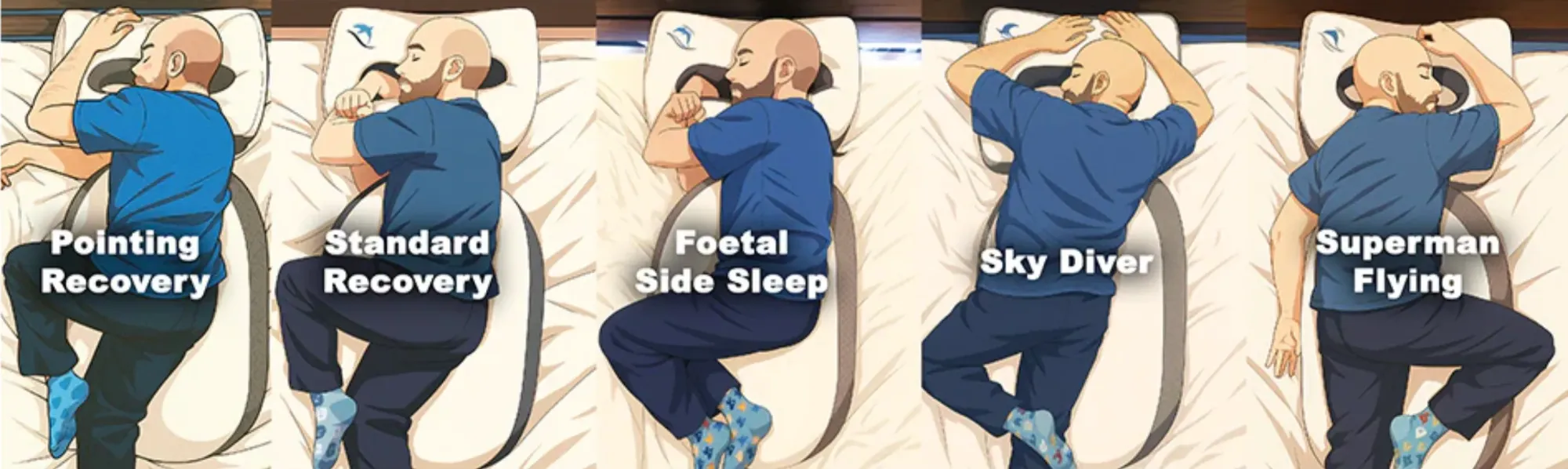
Consider also elevating your upper body at an angle.
🥇Managing Turbinates
Turbinates are gill-like structures deep in your nose that moisten and warm up the air as it passes through. It is really important to understand what they do! They respond very eagerly to air that is too cold or too dry by enlarging and producing more mucus, which might reduce or completely collapse your airways. If you are unlucky anatomy-wise, you might have almost no room for your turbinates to expand, which means you need to be extremely mindful of what triggers it. Understanding turbinates is especially important if you use AC or your bedroom air is dry (AC also dries out the air because they partially act as dehumidifiers).
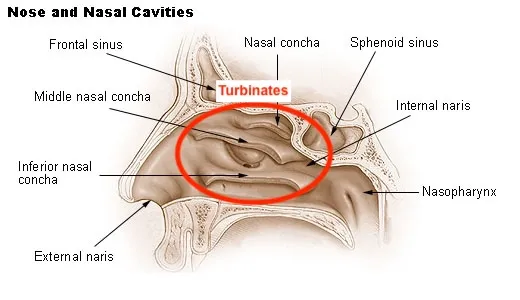
Things that can help prevent your turbinates from expanding:
Headband, especially an asymmetric one
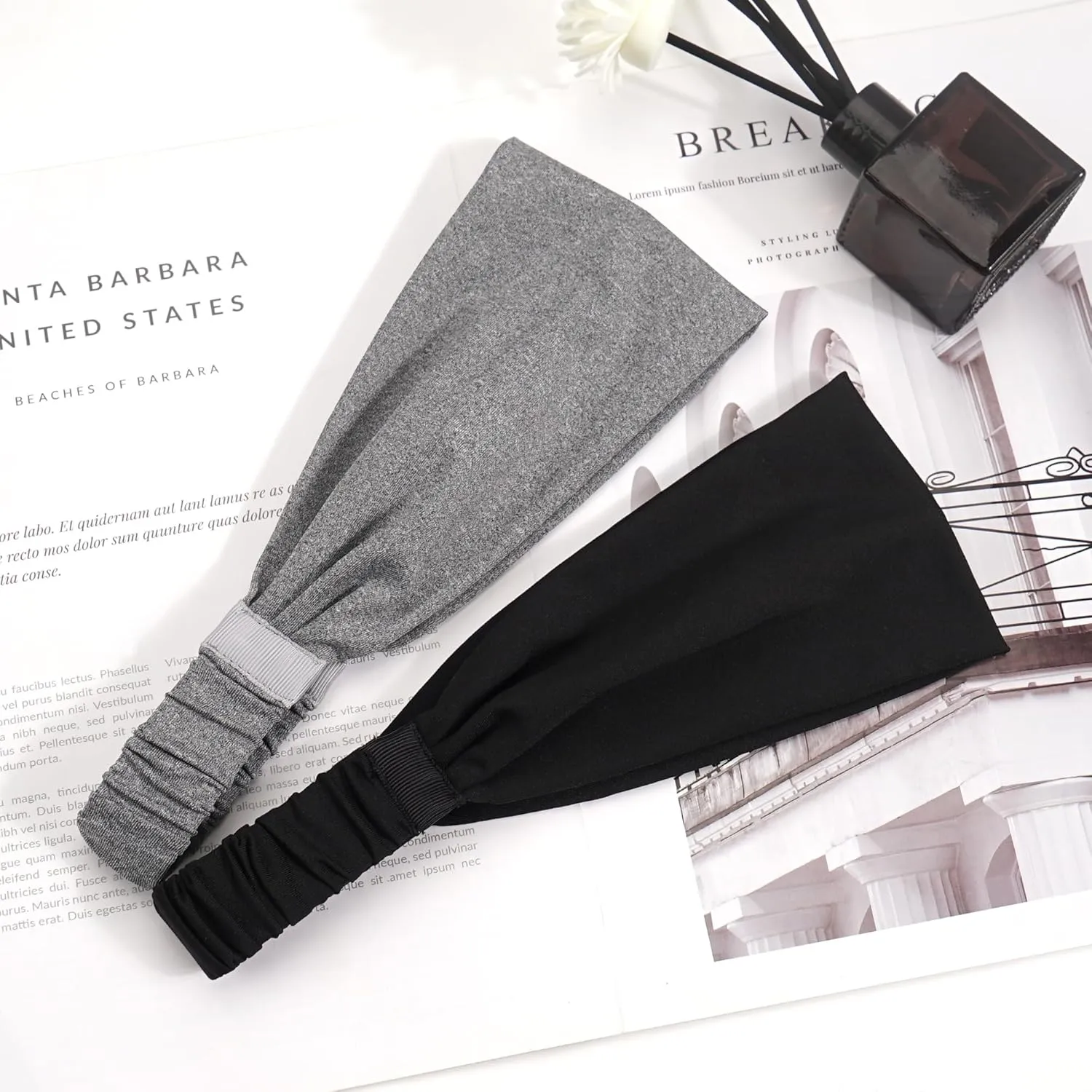
Wear it over your forehead to sleep. Cover the entire area above the eyebrows and below the hairline. It will keep the sinus area of your head warmer preventing your turbinates from overreacting to cold air from the AC. Asymmetric headbands are especially good because they don’t warm up the back side of your head or compress hair on the back of your head.
Neti pot
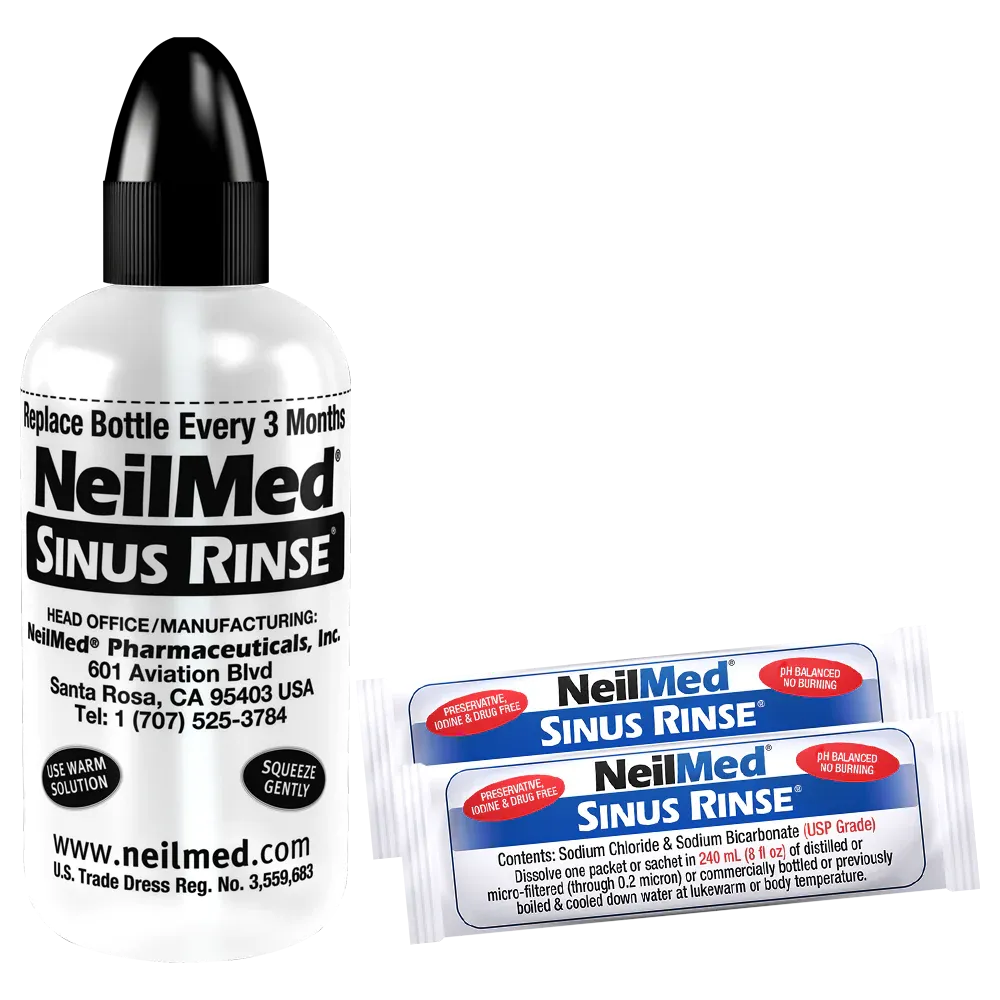
Using a nose rinse is amazing for expanding your airways. Not only does it clear out dried out mucus and moisturize your turbinates, but it also shrinks them, given enough salt in your solution. I actually like to add extra nose rinse salt just to give extra shrink to my turbinates.
As a bonus, the nasal rinse also significantly reduces your chances of catching cold and other airborne viruses.
The most important thing to remember is: always use distilled or freshly boiled water, or else you risk a major infection. Be very afraid of getting an infection. I find it much easier to just boil water in a kettle and pour it into a rinsed squeeze bottle, which simultaneously sterilizes it and prepares it for using. Unfortunately you have to wait for it to cool down, so your options are:
- Fill in the bottle in the evening before sleep. Then use it in the shower with your morning routine. Warm steamy air in the shower will enhance the effect of the neti pot.
- Stand the hot water bottle in a large bowl with cold water, but make sure the unboiled cold water doesn’t get in. This is for when your nose is so congested that you cannot fall asleep.
Other tips:
- Keep your squeeze bottle rinsed and dry
- Always use special salt made specifically for nasal rinse
- Don’t squeeze too hard. Otherwise, water will come out your nose all night as well as the next day. To avoid this issue, consider using a ceramic/glass neti pot instead. However, these can be less convenient for mixing up the solution.
Turbinoplasty
I would certainly not recommend doing turbinates reduction procedures (this is not medical advice). This procedure is relatively novel and lifelong effects are not well-studied. You might also need to redo it every now and then. But most importantly, turbinates are extremely gentle and full of blood vessels. They play many important roles, including defending against airborne diseases and protecting the rest of the pathways. You don’t want to find out what happens if you just cauterize them.
Humidifiers
It sounds logical that if your turbinates are too reactive then you can calm them down by actively humidifying the air. However, the humidifiers you commonly see on Amazon are nowhere near powerful enough to actually make a difference in the humidity of your bedroom, and if they do, they might actually be fighting with your AC (depending on the type of AC you have) since ACs also act as dehumidifiers.
🥇Losing Weight
If you have anatomical sleep issues, losing weight has a good chance of fixing it. This is because it will reduce the size of your neck and potentially create more space and expand the airways. It is a known thing that athletes that grow large necks (e.g. wrestlers, bodybuilders) frequently end up with apnea devices. Losing just 3-4 kg (6-9 lb) may make a noticeable difference.
Unfortunately, in a cruel twist of fate, when you already sleep poorly, losing weight is especially difficult, due to ghrelin, also known as the hunger hormone (see below). However, if you think you can lose weight, really consider prioritizing it. In some cases my sleep was so bad that, suddenly, despite being hungrier than usual, I would just kind of waste away and start losing weight for a few months — I don’t recommend this approach, though.
🥇Blackout Curtains
Your body is surprisingly good at detecting even the slightest amount of light during sleep. When it happens your suprachiasmatic nucleus can decide to just abort your sleep altogether. Keeping your room super dark can be very rewarding when it comes to sleep quality. Blackout curtains are great at that. You can put them on the windows or even on bedroom doors (so that your partner or pets can enter without waking you up). You can use Command™ Strips to avoid drilling the wall. I also recommend buy ones long enough to cover the entire wall ceiling-to-floor.
Keep in mind though that proper blackout curtains are very thick, heavy, and a bit more expensive. Regular curtains are not sufficient, because even a little of light can mess with your suprachiasmatic nucleus. So don’t try to save money by buying cheap versions and prepare to use a lot of Command™ Strips to keep heavy curtains stuck to the wall.
Also, try to avoid having bright electric objects in your room while you are actively trying to fall asleep.
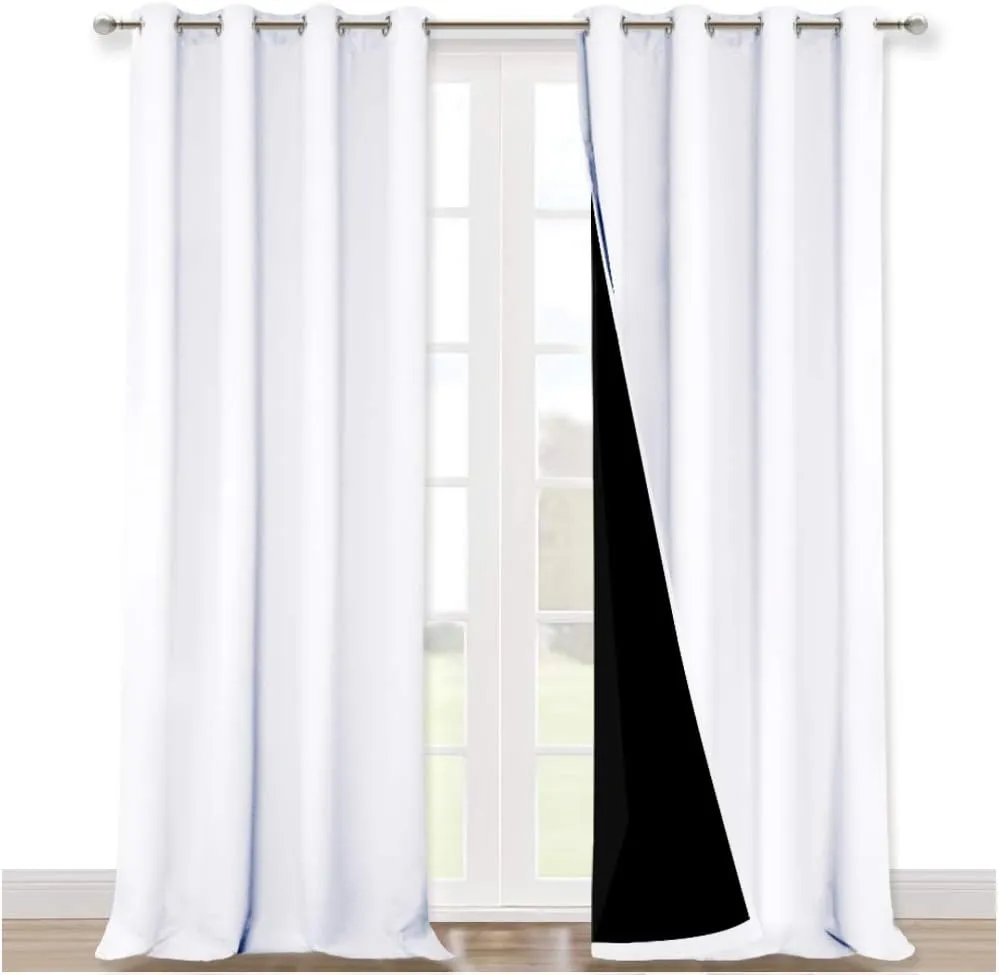
This study shows that people exposed to light at night have 18-56% higher chance of developing cardiovascular diseases than those who don’t: https://jamanetwork.com/journals/jamanetworkopen/fullarticle/2840489
🥇Temperature Control
Temperature control is one of the best methods to force your body asleep, even if nothing else works. It has been proven to work even in the most desperate times, assuming, of course, you keep your turbinates from collapsing (see the previous section).
Air conditioning
I prefer to keep my room at 18C (64F) to achieve the deepest sleep and the quickest sleep onset. You are lucky if you have AC built-in into your apartment or if you have a split AC system. Window units work just as well, and create almost no noise, because their compressor is physically outside the room. In fact, I find the white noise of window ACs very soothing.
Portable ACs are unfortunately not a good substitute. Fundamental physics prevents them from being efficient (you usually can get at most a few degrees difference with the outside temperature), humidity messes with them a lot (you will also need to figure out how to drain it), and the compressor can be incredibly loud. This was especially aggravating for me because the compressor starts and stops abruptly and very loudly, which would frequently wake me up.
If you are considering purchasing a window unit or a portable AC, try to get the most powerful one you can for your room size. This will reduce the noise they produce because they won’t need to work at full power all the time.
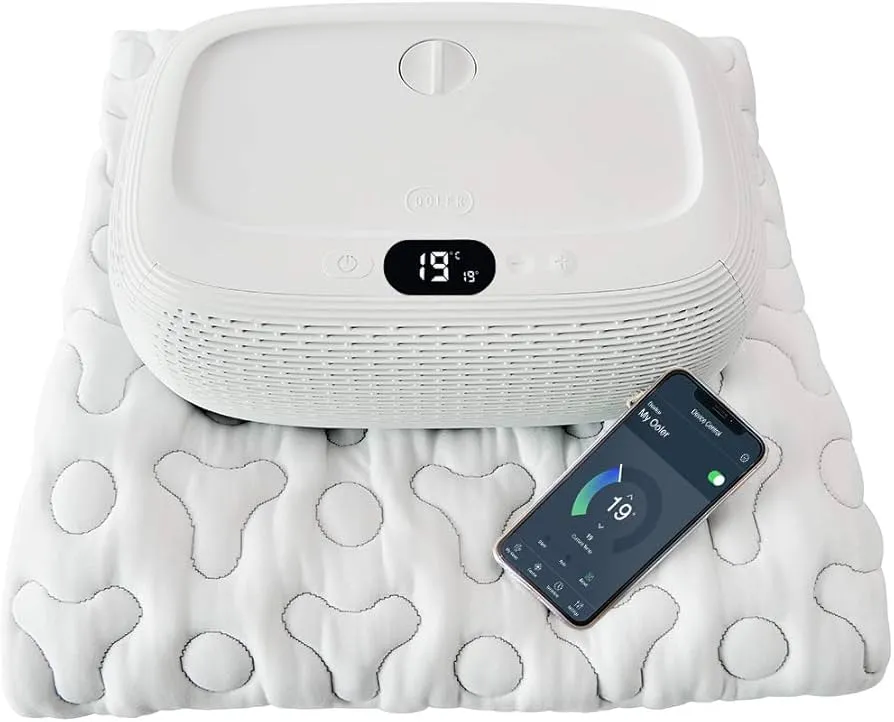
Mattress cooling
In addition to or instead of AC, consider using mattress cooling tech, like the ChiliPad sleep system. They allow a programmable schedule and are pretty efficient if you keep yourself covered with the blanket. It also has a “warm wakeup” feature which gradually warms up your body when it is time to wake-up. I like to imagine that it simulates being warmed up by sunlight during sunrise.
Timing your shower/bath
For the same reason cold temperature puts your body to sleep, warm temperatures or even just any variations of temperature can wake it up. I discovered that taking a shower or bath less than 4 hours before sleep interferes with my body’s sleep cycles, so I have to resort to taking a shower in the morning and/or after working out in the afternoon.
🥇Sensory Things
One of the most frustrating things about bad sleep is that it creates negative feedback loops. One of these negative feedback loops is: bad sleep → nervous system hyperarousal → skin sensitivity → inability to fall asleep. You might not even be aware that your skin becomes extremely sensitive to body wash, clothes, bedsheets, and spices you eat. For me, it took a therapist and a dietician to narrow down this issue and rule out other possibilities. Unfortunately it is not easy to break this loop, but you can weaken it.
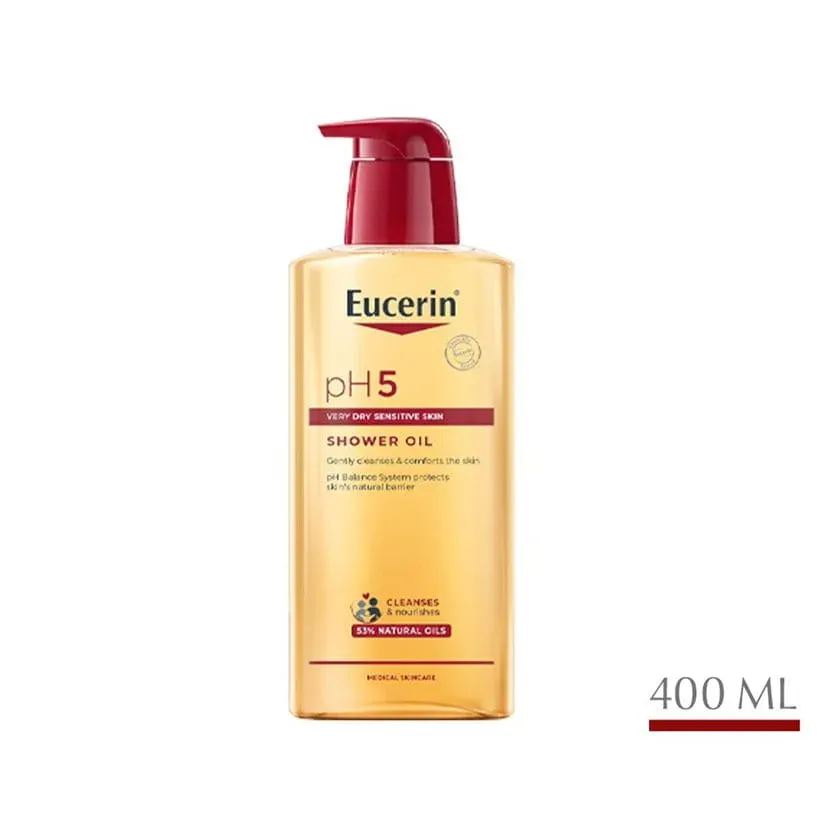
Neutral pH body wash
A lot of body wash is already crap and irritates your skin, but when your skin is hypersensitive you become extremely picky. I highly recommend “Eucerin pH 5 Shower Cleansing Oil” or try some baby shampoo/body wash.
Avoid handmade small-manufacturing soap. The process of making soap requires reacting fats with a base like lye and requires precise proportions: if there is more fat than lye, then the unreacted fat will spoil over time and start to smell bad, making it unsellable. To combat this, small manufacturers, who cannot fine-tune proportions, will err on the side of using excess lye. However, unreacted lye will react with your skin oils, drying out and irritating your skin. The more handcrafted your soap, the more likely you will be washing yourself with unreacted lye or some other base.
Bamboo pajamas
The less you think about things touching and rubbing against you during sleep, the easier it is to fall asleep. I found bamboo pajamas to be the softest, best at temperature control, and the most practical in terms of maintenance. My favorite one is https://cozyearth.com/ . Consider getting bamboo socks as well.
As a bonus, when you travel, the hotel bed will feel more like your home bed because your skin will be touching the same fabric.
Alternatively, consider specialized sleepwear from https://www.sheex.com/ . It is very cooling and stretchy.
Silk pillowcase
Silk pillowcases feel the coolest and softest on your skin. The higher the thread count the better. The only downside is that they need special care when doing laundry (wash cold and no tumble-drying).
Down duvets and pillows
Heat transfer can be extremely irritating when trying to fall asleep. Nothing beats down/feather duvets and pillows when it comes to regulating heat.
I also find using a duvet cover and flat sheet extremely irritating even when my sleep is perfect, so consider sleeping without them unless you are in a hotel. In other words, use a bare duvet, as the cover can nullify the cooling effects of the down.
Avoiding certain spices
It is not a secret that some cuisines and spices can make your skin itchy. For me it is anything pepper-based, especially Sichuan cuisine. It might be very subtle but very impactful.
Avoiding smells
For some reason it is popular to use fragrance or even diffusers to calm yourself down. While it might be helping you calm down when you are awake it might be actually keeping you from falling asleep. I suggest having the most neutral smelling, clean bedroom you can have.
White noise app + earplugs
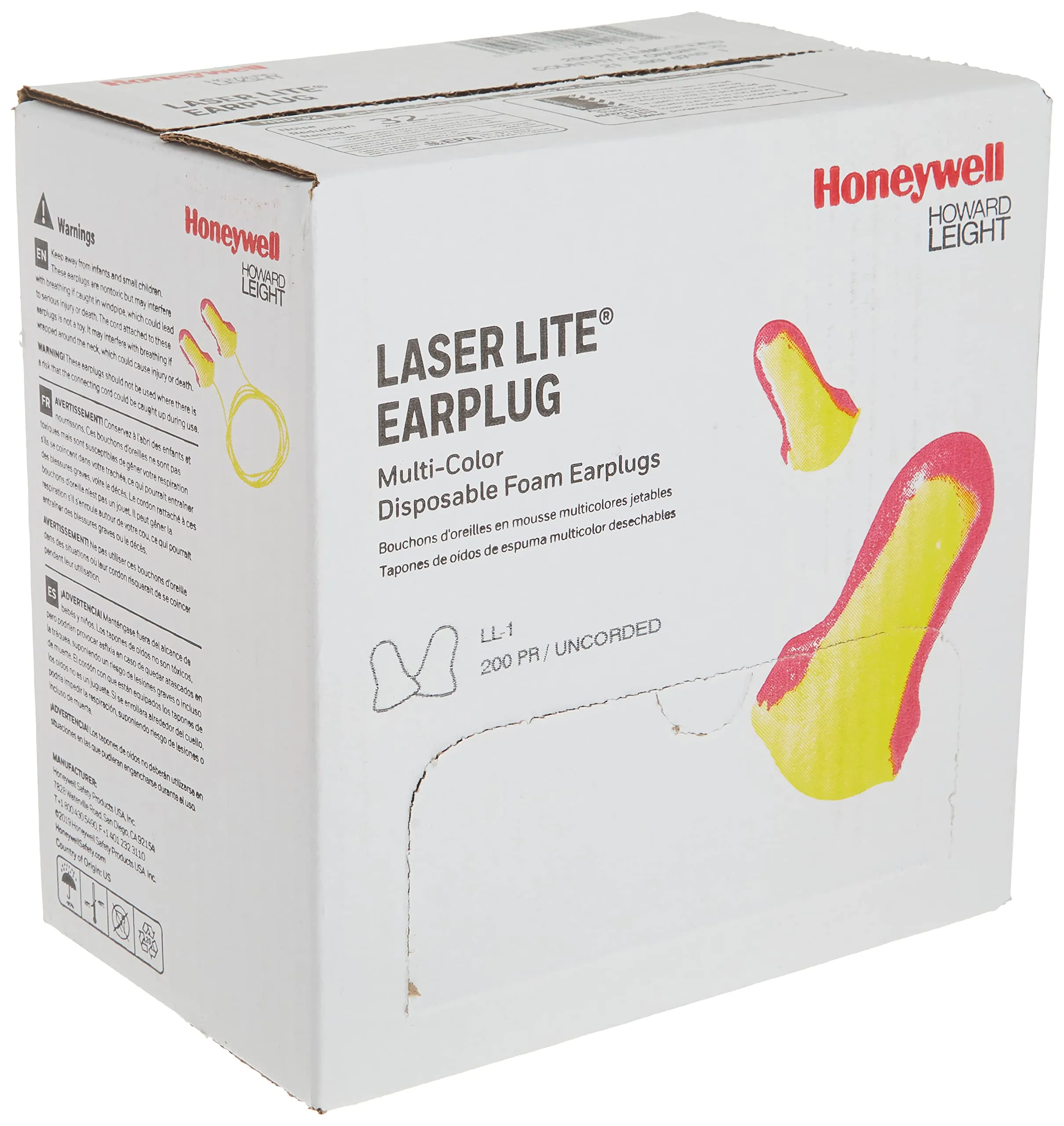
I am extremely reactive to any kind of noise in the room. However, I noticed that a combination of using a white noise app and wearing comfortable earplugs desensitizes me to exactly the types of outside frequencies that keep me awake, including any kinds of movements around the house or bedroom, outside traffic or noise from the neighbors, and even the sound of my own snoring. “Honeywell - Laser Lite” earplugs turned out to be the most comfortable ones I tried.
Heavy metals
It turns out that excessive heavy metals can also make your skin itchy. For example, if you eat the same type of fish every day, even in normal quantities, you can easily accumulate too much arsenic or mercury in your body.
In my case, I was eating way too much fish in general. Even though the type of fish varied day-to-day, I still somehow managed to consume an excess of arsenic, which I discovered through a heavy metal test I took after my skin started itching.
Caffeine and other stimulants
It goes without saying but still needs to be mentioned that it is quite easy to overdo it with caffeine during the day, which can keep you awake at night. You almost certainly don’t want to mess with pure caffeine pills — these can be deadly. I discovered that I can only drink one cup of coffee first thing in the morning without risking disturbing my sleep later at night.
🥇 Timing Eating
Our body clocks are heavily influenced by metabolic processes, especially those that happen in your gut. Some things happen primarily at the end of the day like bile recycling, protein and cholesterol synthesis, etc. You don’t want to throw your body of balance by eating something close to your sleep time. Similarly, skipping breakfast might throw off your cortisol cycle.
There are several eating strategies that can enhance your body clock. Time-restricted eating (TRE) is a specific type of intermittent fasting that limits your eating window to 8-12 hours a day, e.g. 9AM - 7PM. It forces your metabolic processes into a rhythm which enhances sleep onset, depth of sleep, and wakefulness during the day. Some people find it easier to do a later window (e.g., 11AM - 9PM), even though it has been shown to have slightly worse health benefits in the research literature. I personally appreciate having a longer fasting window at the end of the day because it lowers my blood sugar which also naturally prepares my body to sleep.
However, I advise you against more extreme versions of TRE like 8:16 (8 hours of eating and 16 hours of fasting) or extreme fasting in general because it increases your chances of developing gallbladder stones or other issues.
Continuous Glucose Monitoring (CGM)
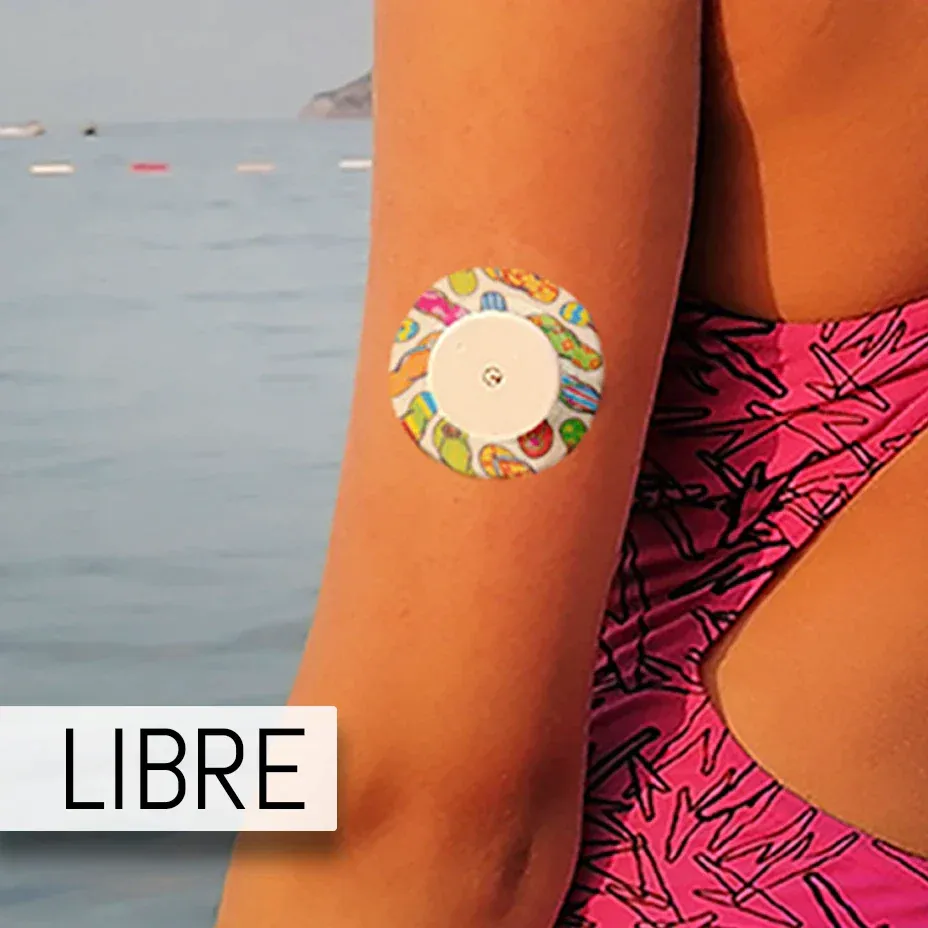
To take it a step further, consider wearing a Continuous Glucose Monitor (CGM) (e.g., the FreeStyle Libre) and observe for yourself how drastically different your blood sugar can be depending on what you eat. The more stable your blood sugar, the better. Sugar, white bread, white rice, and processed carbs create significant spikes in your blood sugar which frequently lead to “food coma” and crashing in the middle of the day, disrupting your work schedule and lifestyle. Fortunately, CGMs are now available over-the-counter in the US.
🥇 Nicotinamide Mononucleotide (NMN) + Trimethylglycine (TMG)
I discovered completely by accident that NMN improves my sleep. Out of all interventions it probably made the largest impact on my sleep. Initially I was taking it for longevity-related reasons and started noticing that my sleep started drastically improving as well. Going on and off of NMN several times confirmed the relationship. Later, several studies came out connecting NMN to stabilizing the circadian cycle [1], validating my observation.
In theory, it is important to take NMN in the morning to align correctly with the circadian cycle. I also take TMG, because in theory NMN can deplete your methyl donor pool and TMG should protect from that. I also monitor my serum homocysteine levels which I would expect to rise if my methyl donor pool starts to deplete. Also, in theory, NMN could be detrimental if you already have cancer, so I do various cancer screenings regularly.
My current doses are: NMN 250mg/day and TMG 1g/day.
Keep in mind that purity of NMN varies greatly and there are already woo-woo manufacturers there that mix it with caviar, gold leaves, and whatnot. You definitely want to stick to the ones tested by the independent labs. I currently use https://donotage.org/pure-nmn but maychange this in the future.
🥇Understanding Melatonin, Adenosine, and Ghrelin
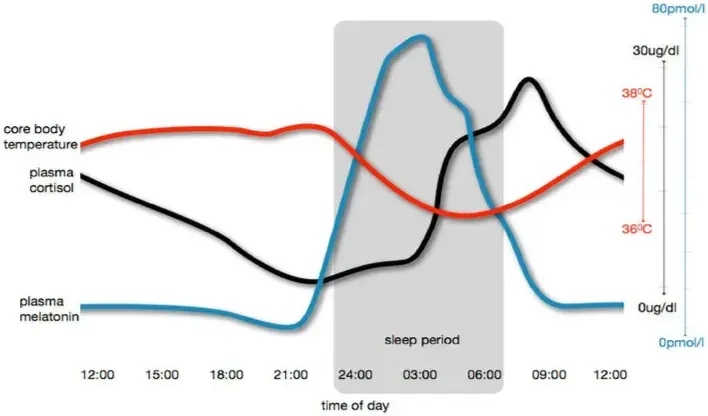
Many people know about melatonin, some know about adenosine, and even fewer know about ghrelin. Both melatonin and adenosine are the hormones of sleep, but only melatonin can be easily controlled with melatonin supplements and sunlight exposure. Ghrelin is the hormone of appetite. Understanding the interplay between all three will help you greatly with controlling your sleep and understanding why your body acts the way it does.
Adenosine, caffeine, and sleep pressure
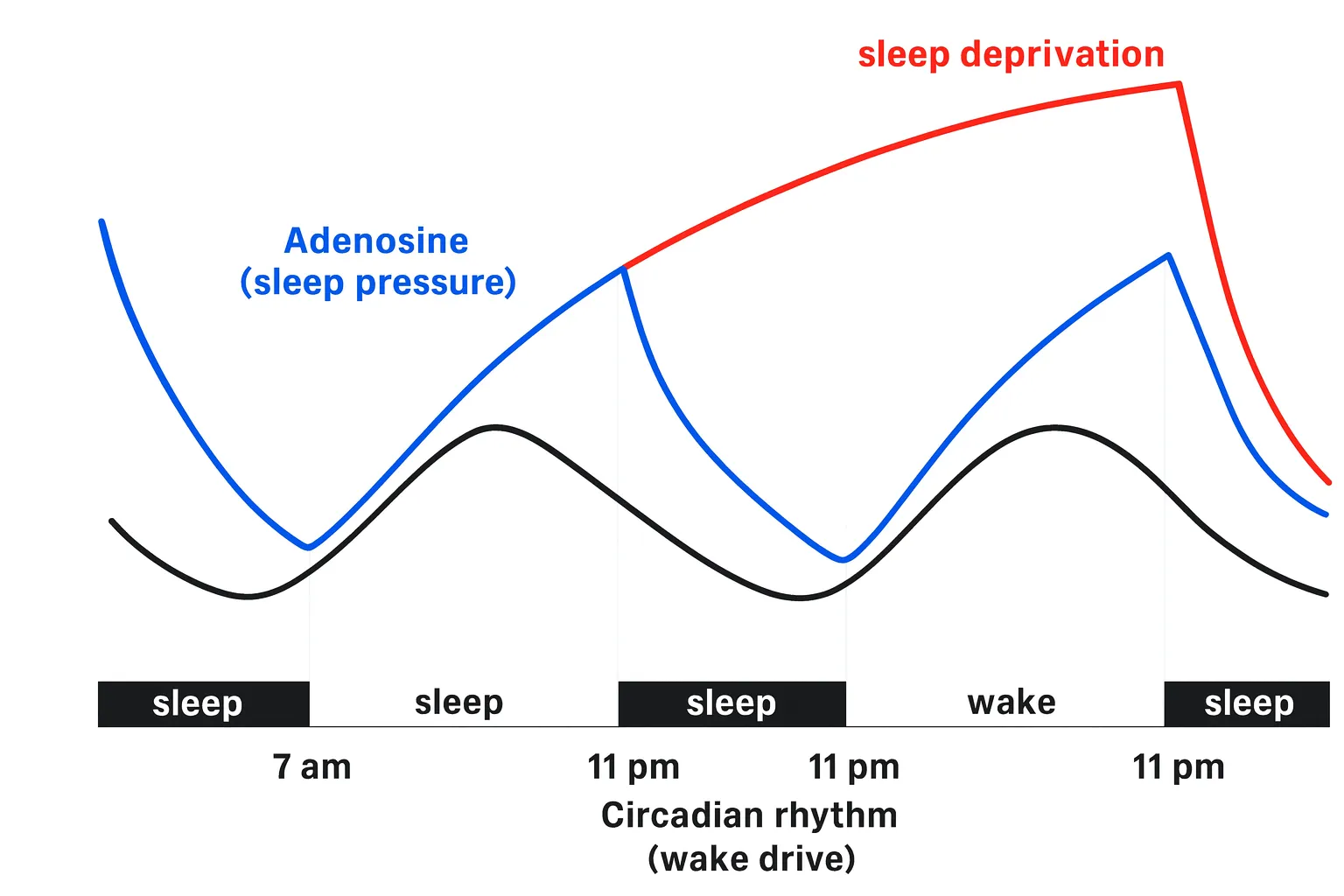
When adenosine binds to its receptors in the brain, it increases sleep pressure and fatigue. Because adenosine is a byproduct of energy use, it partially explains why workers who do manual labor have an easier time falling asleep compared to sedentary office workers.
Adenosine accumulates throughout the day and is reduced when you sleep. Physical activity boosts the build up, and naps do a minor clear up.
Adenosine is much harder to manipulate than melatonin, though it is somewhat possible to increase it somewhat with physical exercise. However, it is quite easy to suppress with caffeine. When you drink coffee, caffeine molecules block your adenosine receptors. Adenosine cannot bind, which then reduces sleep pressure and increases alertness. As caffeine levels drop, the adenosine that has built up has access to its receptors again, which can cause you to crash.
If you habitually consume caffeine over time, you start to build a tolerance for caffeine because your body adapts by increasing the number of adenosine receptors. This means that, in order to continue to feel alert, you now need to consume more caffeine to block these additional receptors. If you don’t continue to consume caffeine, it becomes exactly the same feeling as when you don’t sleep for several days — adenosine builds up to the point where your body cannot ignore it anymore and then you crash.
Adenosine and melatonin interplay
The real problem is when your adenosine and melatonin are out of sync. This is what creates this special feeling of misery during jet lag and prolonged sleep deprivation. Jet lag is not just about feeling sleepy at the wrong time of the day, it is about melatonin and adenosine signaling disagreeing on the time for sleep. During jet lag, melatonin is the first to adjust to the new timezone thanks to sunlight and suprachiasmatic nucleus (SNC), but adenosine is slow to adjust and it is really hard to speed it up. When you are sleep deprived, your melatonin and adenosine cycles are not pronounced and/or out of sync, contributing to the overall misery.
To deal with jet lag specifically, I highly recommend using https://www.timeshifter.com/ though you need to follow its instructions precisely and it doesn’t work well with complex trips.
Whether you are generally sleep deprived or you are experiencing jet lag, you can nudge melatonin in the right direction by
- using melatonin supplements 30 mins - 2 hours before sleep
avoiding light exposure 2-4 hours before sleep; some helpful tools:
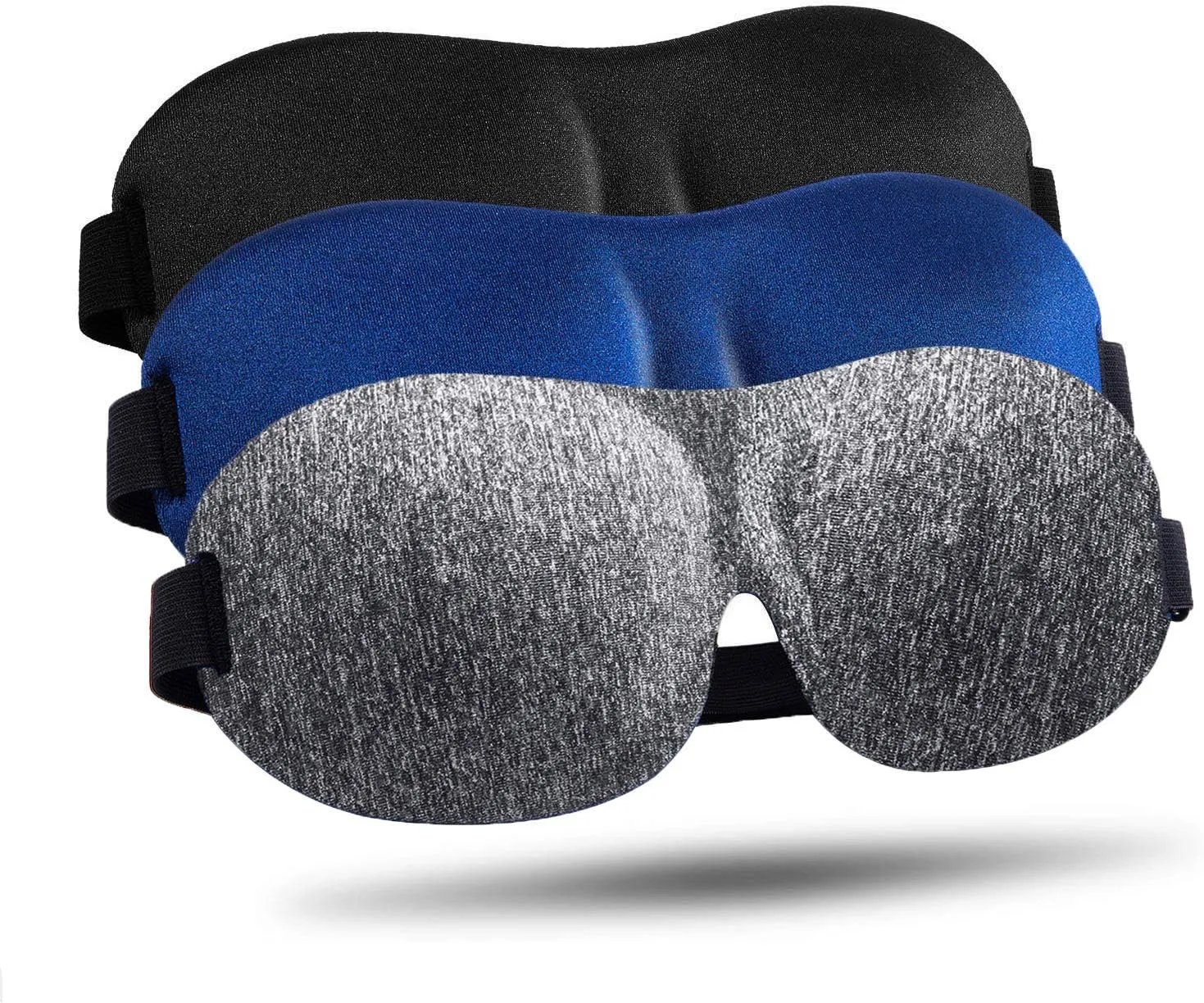
- Sleeping mask. I prefer the ones that don’t touch the eyelids, but I also dislike the bulky over engineered ones. I like the ones that look like a bra. Unfortunately they wear off quickly so I have to buy new ones several times a year.
-
Blackout curtains, see the corresponding section.
-
Wear blue light filtering glasses or attachable lenses 1-2 hours before sleep. I prefer the ones by https://boncharge.com/ because they are well tested for the light spectrum that they block and wearing them does make me more sleepy.
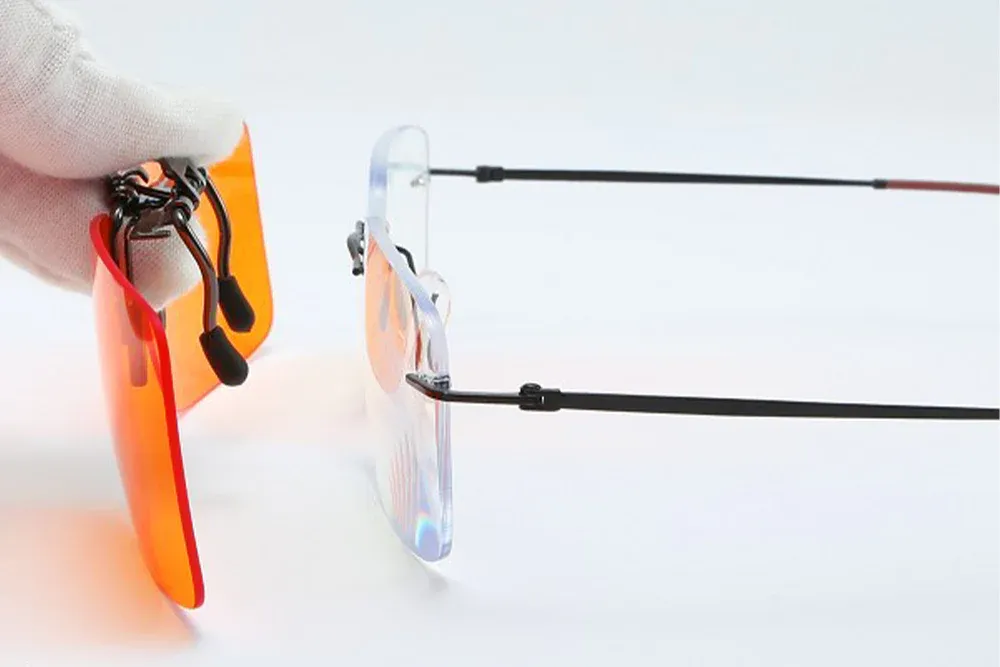
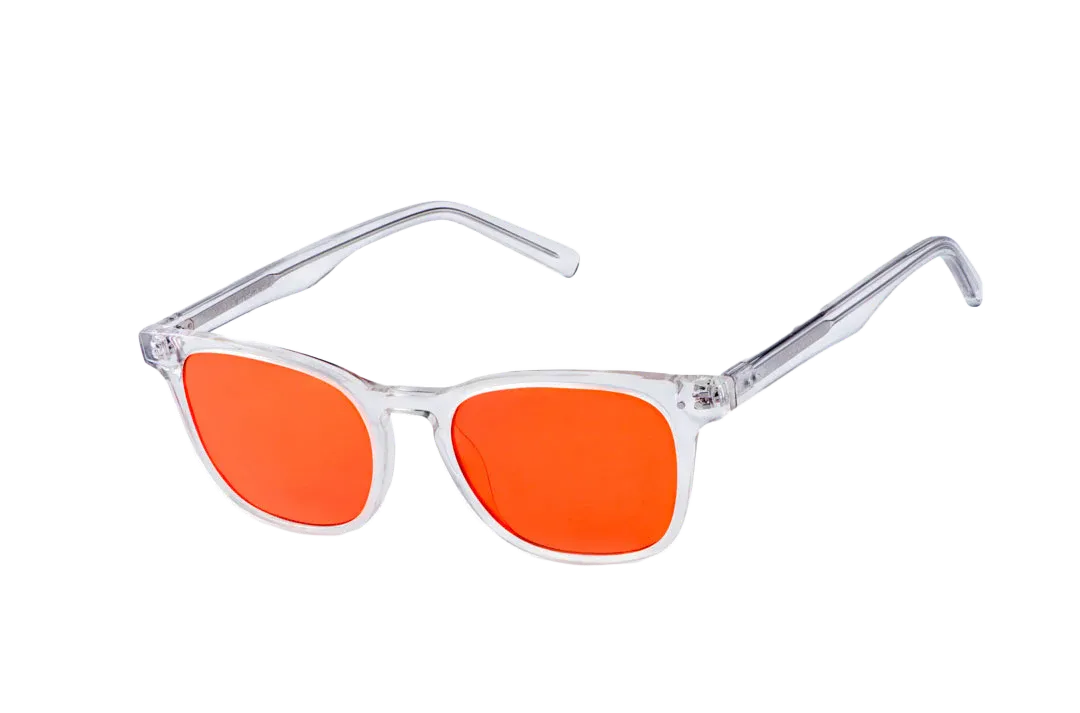
- exposing yourself to light right after you wake up. You can do it with:
- Blue light, see the corresponding section
- Walking outside, e.g. with a cup of coffee
- Programmable dimmable lights in your bedroom, e.g. using https://www.philips-hue.com/
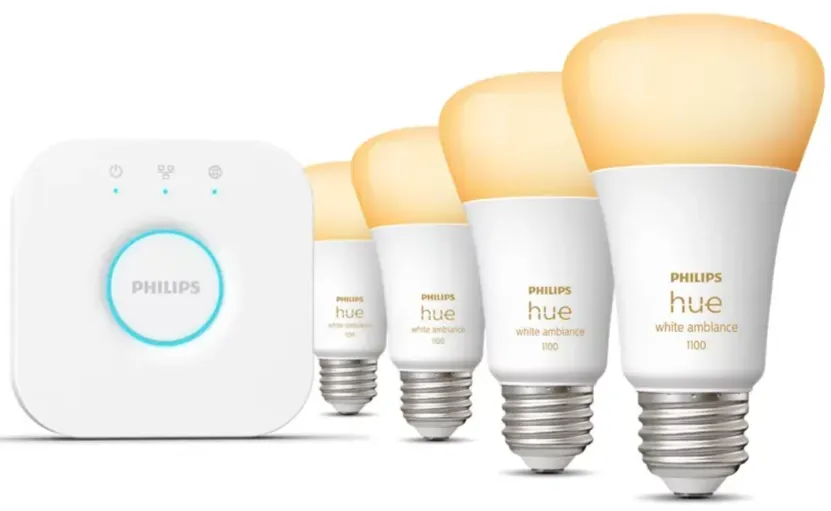
To nudge adenosine in the right direction, you can
- jog and do fitness at the start of the day
- drink one cup of coffee as early in the morning as possible, though some studies suggest that one hour after waking up is better
- avoid napping
- sometimes avoid caffeine altogether if you think you might have a coffee dependency
Melatonin supplements
The optimal timing and dosage of melatonin is highly personal. For many people 300mcg can be way more effective than 2mg, and taking it 90 mins before sleep can be way better than 30 mins before sleep. This is not just because too much melatonin makes you groggy. As with many hormones there is a U-shaped curve and your body gets confused when you take too much of it. You simply need to play with all the options and see what works the best for you. 2mg 30mins before sleep might make you feel worse but 300mcg 90mins before sleep might work like a charm.
Keep in mind, though, that melatonin supplements are not well regulated in the US and you cannot be certain of the actual dosage for over-the-counter options so you might be getting way more melatonin even if the bottle says 300mcg. In the EU melatonin is better regulated but in some countries you may need a prescription.
Ghrelin and leptin
Ghrelin is a hormone that makes you hungry, but, in a cruel twist of fate, your body produces more of it when you are sleep deprived. Your body also decreases leptin, the hormone of satiety or fullness.
So when you don’t sleep enough, you feel hungrier and less sensitive to fullness.
This is why it is so hard to lose weight when you are sleep deprived and might actually benefit from lower weight. On top of that, tasty food gives you dopamine, which is a mild stimulant, so when you are rummaging the fridge late at night because your ghrelin is up or because you feel demotivated, the food you eat is actually making you more awake.
In other words, try not to eat before sleep even if you really want to; it might make things even worse.
🥇 Therapy, ADHD, AuDHD, Delayed Sleep Phase
If you can afford it, I would highly recommend getting a therapist. Even if they won’t be able to help you with sleep directly, they can help you manage the consequences of bad sleep like irritability, reduced empathy, and just feeling bad about not sleeping enough. Lots of things preventing you from sleeping are right in the wheelhouse of a therapist like racing thoughts, excessive worrying, anxiety, depression, etc. They can help you with finding closure at the end of the day and finding something to look forward to in the next day.
Therapist can also help screen you for the neurodivergent things like sensory processing disorders, ADHD, AuDHD, etc. ADHDs are especially known for having sleep issues and you really need a therapist to help you with that. There also some complex cases like paradoxical insomnia or worrying so much about sleep that it prevents you from sleeping. You don’t want to be dealing with it all by yourself.
Finally, a therapist can identify and refer you to other specialists. For example, they can identify that your diet messes with your sleep and refer you to a dietician. Or they can suspect that you have a delayed sleep phase and refer you to a sleep doctor. Delayed sleep phase is an especially frustrating condition. You might have heard that the body’s natural day is slightly longer than 24 hours in an average person, by about 11 minutes. The daily routine and the sunlight prevent you from falling asleep later and later with every day, but in some people the difference is so huge that a more specialized intervention is needed.
🥇Nutrient Deficiencies
You really don’t want to be in a situation where the sole reason for your bad sleep is some nutrient deficiency. There are all kinds of nutrients like vitamin D, sodium, fiber that can make you feel really miserable if you are deficient or have an excess. Just to be on a safe side, I would take a multivitamin or even some extra vitamin D3. But keep in mind that there are some vitamins and minerals that are really dangerous to overdose on, especially selenium, iron, zinc, copper, vitamins B6, B9 (folic acid), and all fat-soluble vitamins: D, E, K, A. Though most of the multivitamins have safe doses, unless you are taking specialized athlete-level multivitamins.
Here is a great guide with top-10 vitamins/minerals you should consider taking: https://lpi.oregonstate.edu/top-10-project/micronutrients-for-aging-well-health-professionals
🥇CO2 Monitor
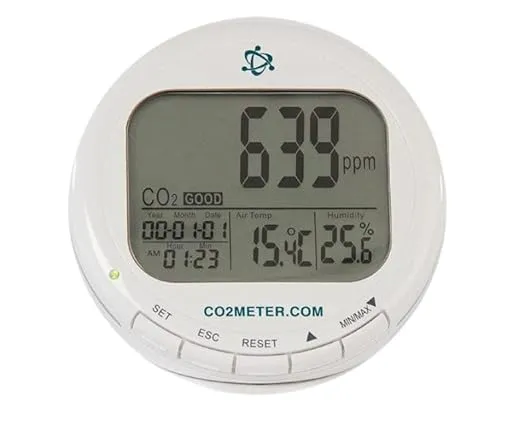
Your room might simply be not well ventilated, especially if it is particularly small, you have another person sleeping with you or you live in an old house. Your CO2 score can easily jump up from 500ppm to 1000-1500ppm in a matter of few hours, and 1500ppm is when you can start experiencing slight headache or stuffiness preventing you from sleeping.
Unfortunately, a lot of CO2 monitors, especially cheap ones are extremely imprecise. The model I use (AZ-0004) is no longer for sale, but be ready to spend $100+ USD for a good-enough monitor. Keep in mind though that they are very easily confused by things like bathroom steam, kitchen cookings, and even random dust.
🥇Meditation
Regular meditation helps tremendously with training your amygdala reactivity which in turn makes you significantly more resilient to dealing with the stress and be able to fall asleep without racing thoughts. The best meditation is a guided body-scan type of meditation, specifically Yoga Nidra. It is one of the strongest grounding techniques and sometimes I am able to do it for 2 hours straight, e.g. during a long flight. With a permission from the author Tim Rowe I share the best Yoga Nidra recording I could find, which I’ve been using for almost 10 years now. It is much higher quality than what you can get on Headspace or Calm apps, because the person uses phrases that are short, simple, easy to absorb with a very relaxed mind, with very actionable, specific, evocative, and vivid words. I find this single recording enough for all of my meditation sessions, and focusing on a single recording made my meditation even deeper over the years.
Another trick is to use the same incense when you meditate so that your mind learns to associate the two. When you light up incense the next time your mind will quicker switch to the meditative state. It is important though to not use it outside the meditation.
Yoga Nidra 1 by Tim Rowe
Website: liber8.xyz
Email: info@liber8.xyz
🥈Tier 2
Works, with an asterisk.✱
🥈Your Loved Ones
It is a sad and an unfortunate reality that being woken up messes with your sleep, and some people have very fragile sleep so it does not take much to wake them up. It can happen because of the noise in the room or your mattress shaking when someone moves around or just general movement in the room. You might need to make some difficult decisions and arrangements to make sure it happens less frequently, because when you sleep better you are less grumpy, more present, and everyone in your family is better off from that.
Human loved ones
It might be an extremely sensitive topic but if you live with a partner you might benefit from a separate blanket, separate mattress, or even a separate bedroom. There are plenty of cultures where some or all of it is normalized, so please don’t think of yourself as not being normal if you need it to stay asleep. If you need, consider talking to a family therapist to help getting used to this arrangement. Also, you and your partner might prefer different types of blankets and mattresses. Don’t forget that you can also place mattresses side-by-side together, like if it was a single large mattress, but it would shake much less at night.
Pet loved ones
If you have pets and you are not extremely psychologically dependent on them, really consider training them to stay outside your bedroom. It might take a couple of nights or a week for them to stop scratching and whimpering at the closed bedroom door, but eventually they’ll get over their separation anxiety.
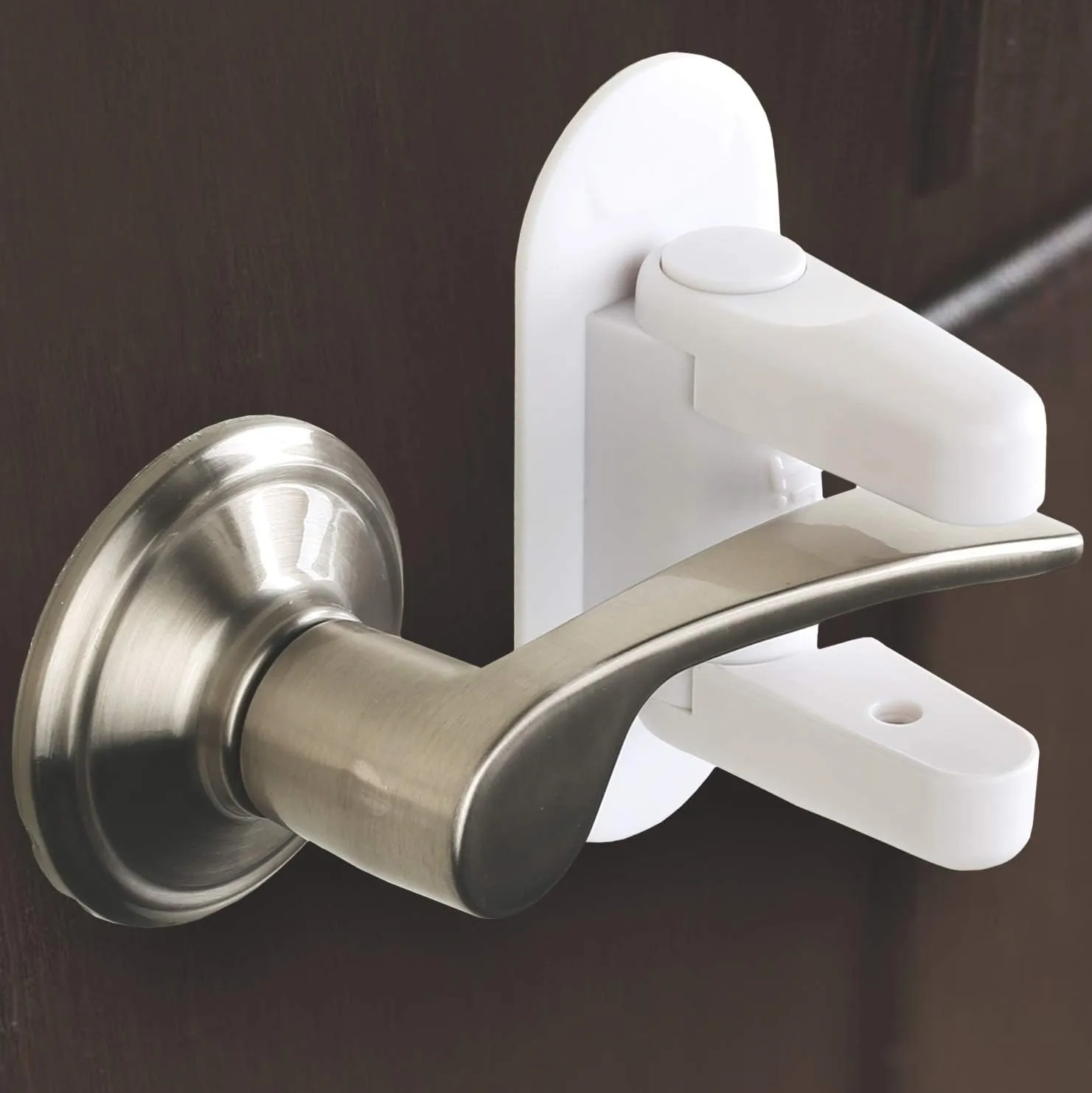
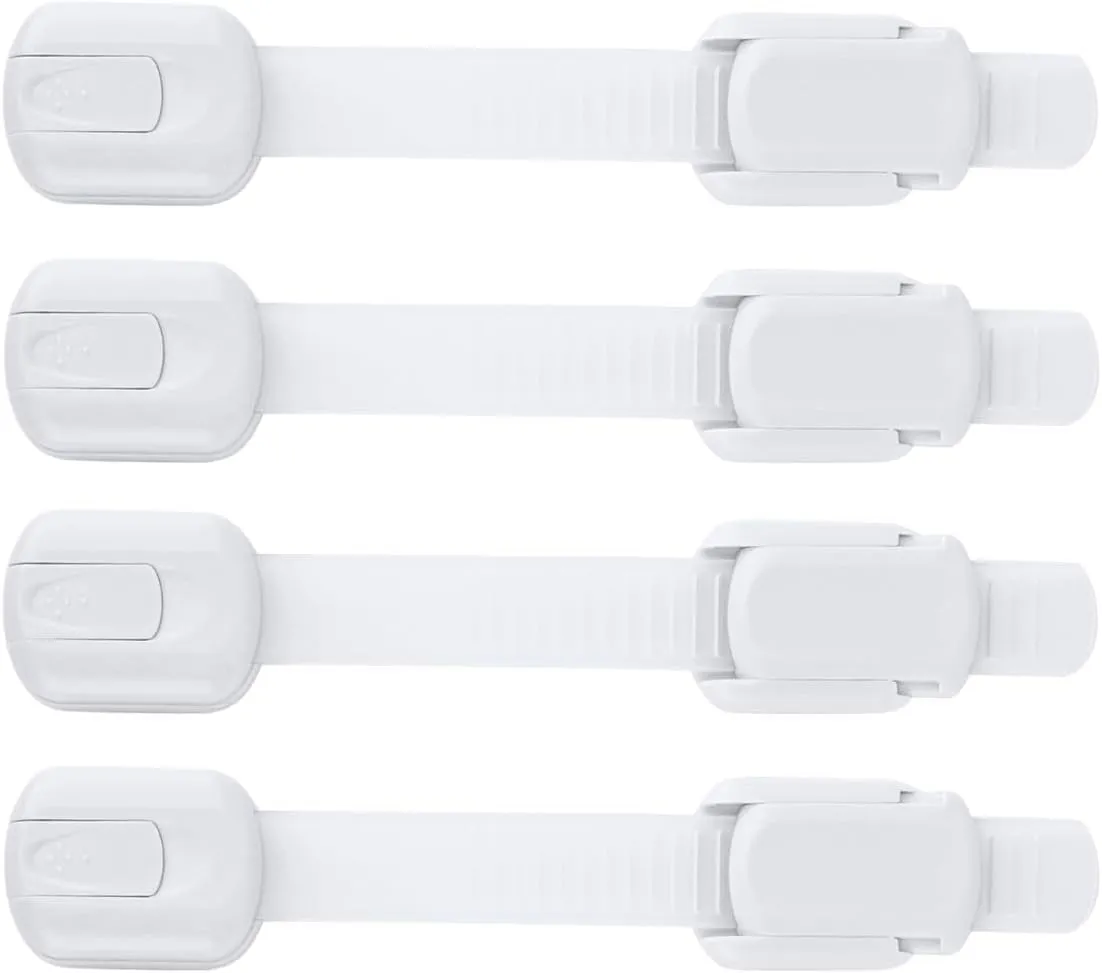
If they are large and smart enough to try to open the door handle from the outside or they rattle the door, then consider using “Child Door Lever Lock” to keep them from messing with the door handle and “Child Safety Strap Locks” to keep the door from rattling.
🥈 Blue Light Devices
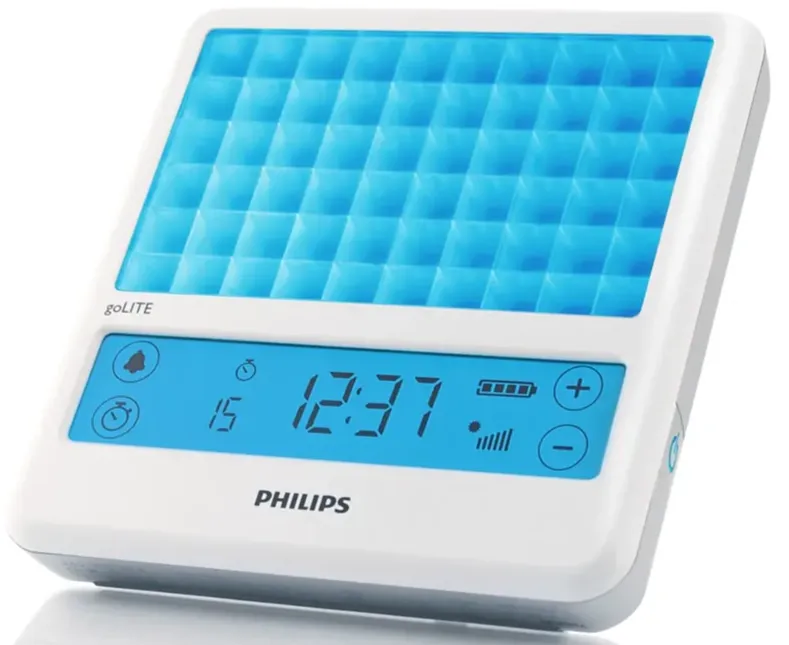
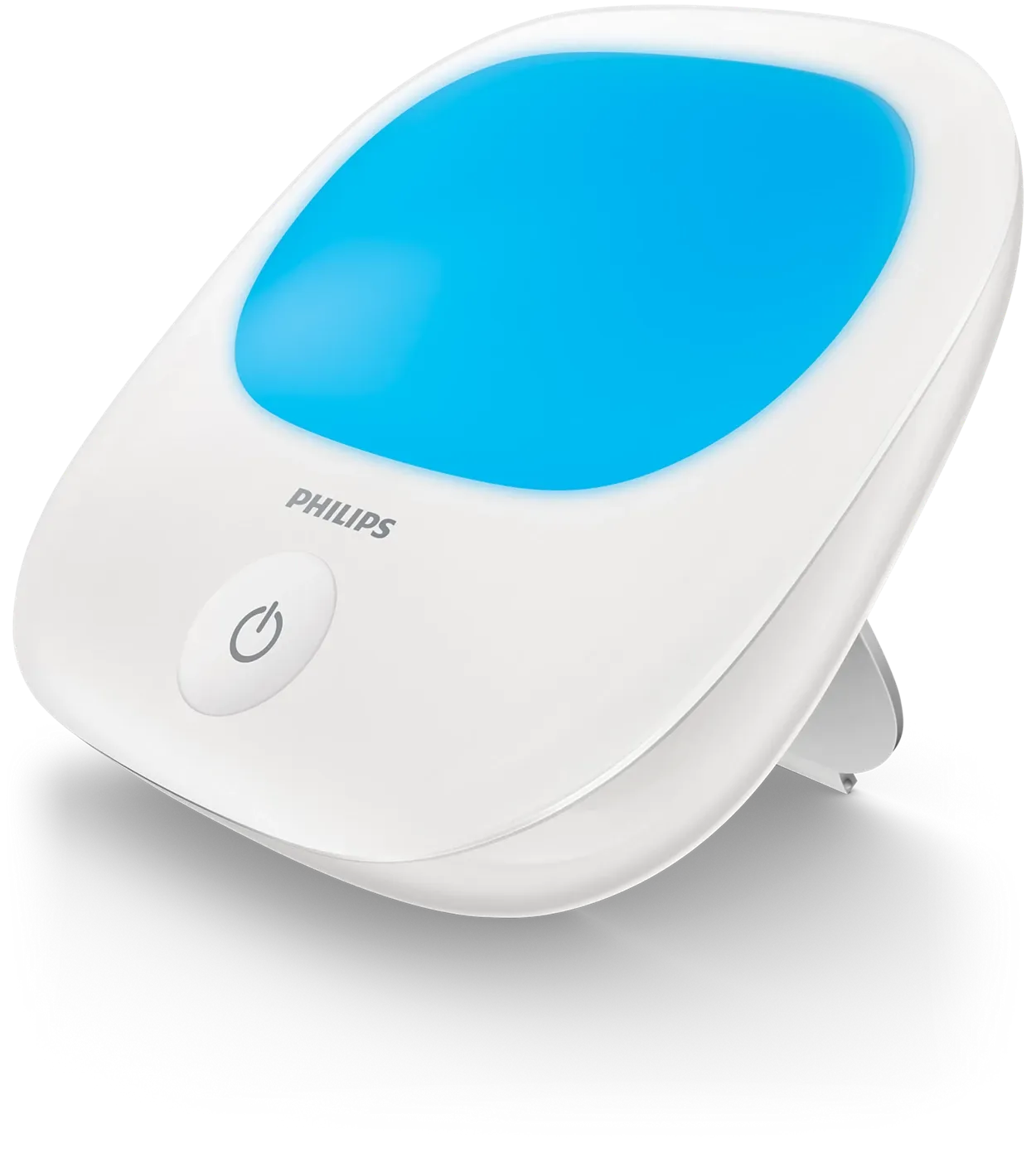
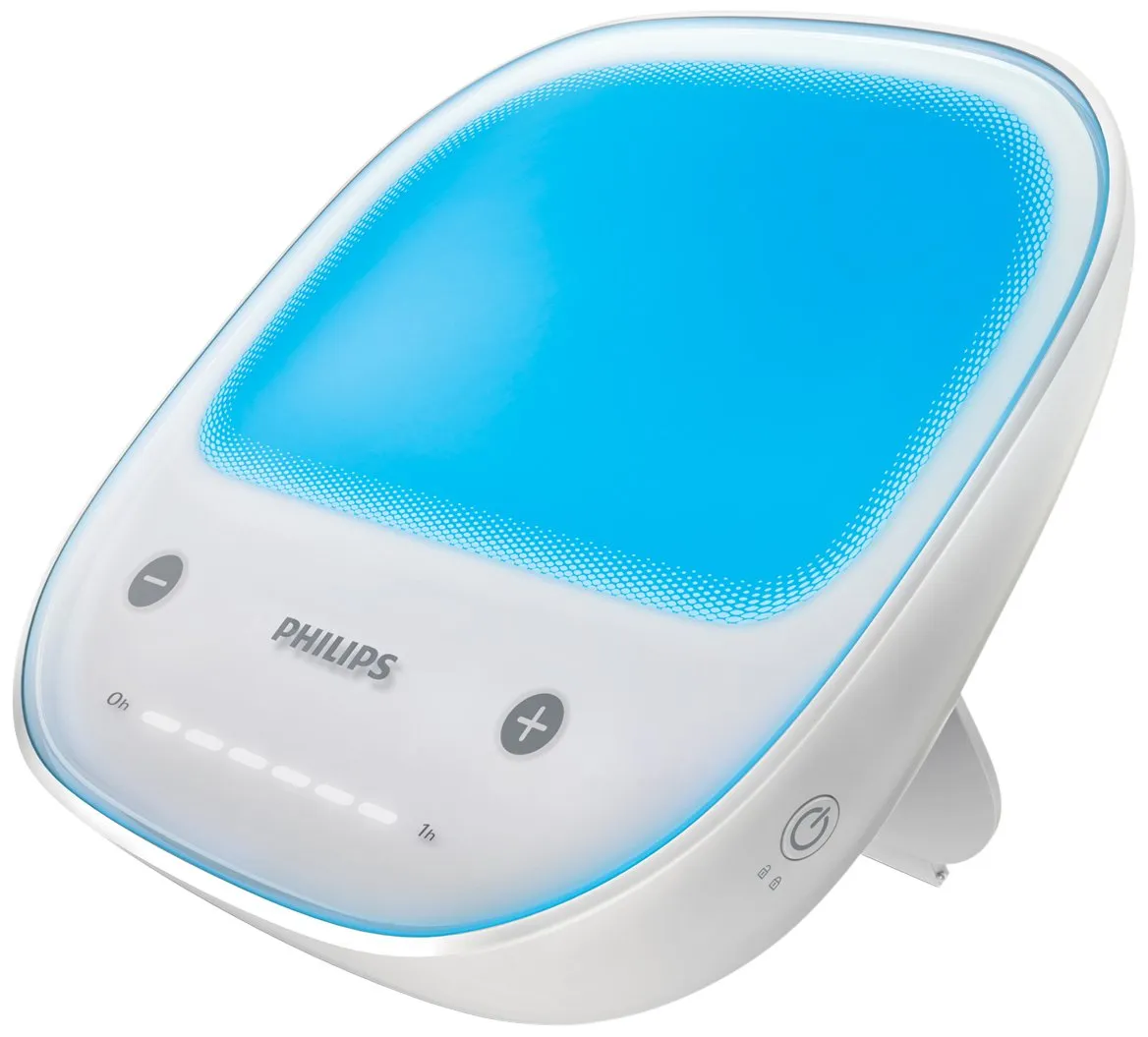
Your wakefulness in the morning is just as important as your ability to fall asleep, see more on it in “Dopamine and Cortisol Management. Window of Tolerance” section. Besides, it is way easier to regulate your regime by forcing yourself to wake up than to fall asleep at the same time. Specialized Blue Light Devices can help you with that, especially if you location lacks sunlight or you have seasonal affective disorder (SAD). Keep in mind though that Amazon is flooded with cheap blue light and “sunlight” devices that emit all kinds of spectrum and are hard to keep in your field of view because they are so bright. Unfortunately, the only therapeutic blue lights that are actually super narrow spectrum that were validated with the research are Phillips goLITE BLU and they are sometimes hard to find, but are frequently available on the eBay. They emit exactly the kind of wavelength (470 nm) that triggers wakefulness in your suprachiasmatic nucleus (SCN) and avoids wavelengths (380-455 nm) harmful to your eyes.
Keep in mind that just like with the coffee it is easy to overdo with the blue light. I noticed that doing it for more than 15 mins risks preventing myself from falling asleep later at night. So also try using it as early in the morning as you can.
🥈 Regime and Sleep Hygiene
Your body is extremely dependent on a fixed routine, this is because some chemical processes are very inflexible and take long time to adjust (see section on Adenosine), so if you change your route all the time these processes will be constantly misaligned.
Sleep hygiene is about avoiding things that mess with your falling asleep process. This is because you cannot force yourself asleep with a willpower. You can however, force yourself to wake up at the same time since all you need to do is get your feet of the bed and reach the coffee pot. Forcing the same wake-up time instead of forcing the same go-to-sleep time is one of the tricks to help your body get into a stable regime.
Here is a short cheat-sheet with dos and don’ts:
- Keep a consistent wake-up time (easy) and a consistent go-to sleep time (hard)
- Make your bedroom welcoming and nice to be in
- Avoid food >4 hours before sleep
- Avoid stimulating activities like computer games or fitness >4 hours before sleep
- Avoid bright especially white/blue LED light 2-4 hours before sleep. Prefer in general natural light throughout the day. In winter time if the day is short try waking up before the sunrise.
- Avoid naps
- Reserve your bed for sleep only!
- Limit coffee to one cup as early in the morning as possible
🥈 Minding Sleep Stages
Throughout the night you go through four to six stages of sleep, each 90-120 minutes long. It is easier to fall asleep and wake up when a stage starts/stops than in the middle of it. So if you missed your bedtime don’t blame yourself too hard for not falling asleep right away, the sleepiness might naturally come 90-120 minutes later when your next sleep stage typically begins, so don’t try to force it. With time you might even learn how your body feels when your first stage is approaching so that you don’t miss it.
Similarly, you can try using specialized Smart Alarm apps that try to guess your sleep cycles from your movement at night and wake you up in the best time. You can still have a regular backup alarm that goes of later so that you don’t miss your work.
🥈 Mattress
I have spent incredible amount of money trying to find just the right kind of mattress to sleep on, this included gimmicky gel-like mattresses. In the end only the following two things mattered:
- Firmness. Spring-based mattresses are hard to beat. You can have additional layers of softness on top, but internal springs contribute immensely to the comfort when distributing your weight. Additionally, don’t forget that cheap bendy slats can compromise even a good mattress, so don’t get cheap slats. Or alternatively you can buy a sturdy base on top of your bed frame.
- Heat conductivity. Nothing beats down and feather. Foam will always trap heat, no matter how innovative it is. And gel is way too gimmicky and weird.
If you are unsure about the firmness there are options:
- Some mattresses have two surfaces with different firmness (e.g. hard and extra hard) so you are taking less risk buying it;
- Some companies offer a return, sometimes even a 1-year return on their mattresses. So it is safe to try them out.
🥈 Mandibular Advancement Device
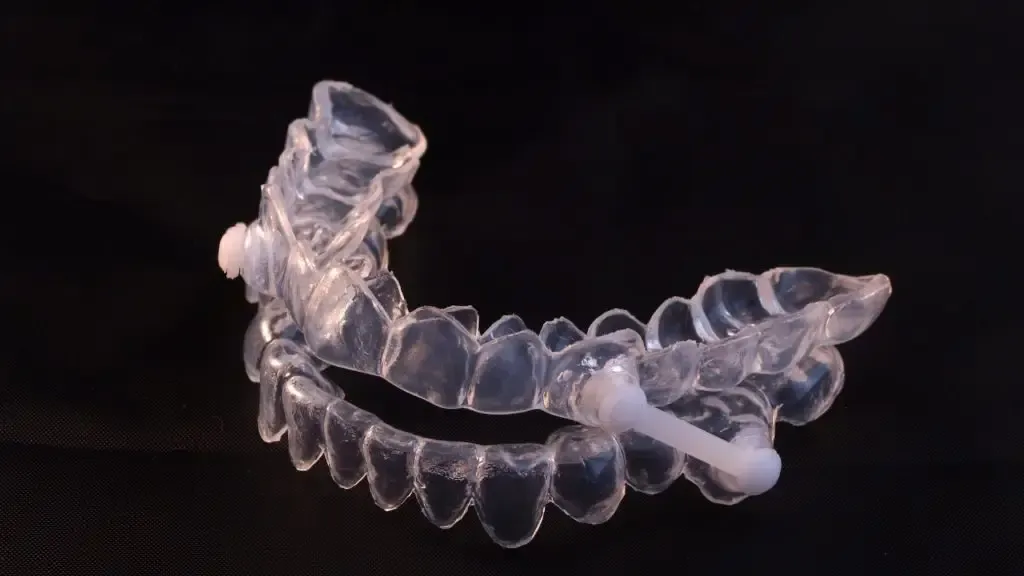
Mandibular Advancement Device slightly shifts your bottom jaw forward opening the airways in your throat. In addition it doubles as mouthguard to protect you from grinding your teeth. There are several generations of how this device can be designed, so even if your specialists swears by offering the most cutting edge Mandibular Advancement Device do your own research to verify it. It is offered by some dental or orthodontics specialists.
The pros:
- It does actually work and I felt the difference, especially when I had extra bodyweight
- It doubles as a mouthguard
The cons:
- It moves your jaw into a weird position at night, and once I woke up with a dislocated jaw. This was scary and I never wore this device again;
- It is relatively costly to manufacture and the measurement needs to be precise.
I don’t recommend trying cheap over-the-counter substitutes, like the ones where they pinch and pull your tongue out of the mouth. They are way to distracting to wear during your sleep.
🥈 CPAP Machine
CPAP (Continuous Positive Airway Pressure) machine is the classic in dealing with sleep apnea and other sleep-disordered breathing. Its purpose is to overcome the airflow blockage by simply assisting pushing air in and out of your lungs as you sleep. A sleep specialist can prescribe you one if you show even mild symptoms and you can frequently rent it from the hospital to try out for several nights. It does take getting used to and it doesn’t help that those hospital for-rent devices are one of the bulkiest old models. Unfortunately, you cannot simply order a CPAP machine from the internet without a prescription because they are considered to be unsafe when self-medicated. There are however new developing attachments and enhancements to CPAP machines that make them significantly more comfortable, this includes: smaller masks, comfortable tubing positions, new generations of the devices. Also, new generations of CPAPs are supposed to be smart and learning/adjusting to your breathing pattern, which is super critical because it is very disruptive when CPAP is trying to fight back your sleeping pattern, e.g. push air into you when you are trying to breathe out. Keep in mind though that there are very few manufacturers and I do recommend sticking the proven ones. Also, allegedly some people can develop dependency over long periods of time and so your sleep specialist will have to slowly keep increasing the pressure over the years to keep it working. Oh, and the device itself is supposed to be calibrated every now and then by the sleep specialist, so you cannot tune it yourself either. Finally some people develop issues with having air in their stomach. But if you have a major sleep-disordered breathing this might be your primary way of fixing it.
🥈 Keto Test
It was eye-opening to me when I switched to the ketogenic diet and my sleep and wellbeing improved from 5 out of 10 to 9 out of 10. I was naturally waking up well-rested after just 7 hours of sleep, my thinking became very sharp, and my physical endurance improved. Though I couldn’t exert explosive energy during the workouts because my muscles lacked glycogen, I could endure much longer and I didn’t need to top up on carbs to keep going. It provided a huge motivation to me because I learnt that my sleep could improve in principle and allowed me to find ways to fix it eventually. Unfortunately, as with most people I could only do keto for relatively short durations of time, 6 weeks at most. The reasons for keto being so special is because it switches your body to using entirely different metabolic pathways, allowing you to switch your entire body into a different mode which can make some issues temporarily go away. Also, ketones are considered to be a better source of energy than sugar for your brain, and they are supposed to have anti-oxidant and anti-inflammatory effects which could reduce or completely remove the brain fog, if you have one.
Keep in mind that there are real risks associated with ketogenic diet:
- It can provoke underlying medical conditions, like gallbladder stones which could cause acute pancreatitis, which can be deadly;
- If you mess up the measurements you can cause ketoacidosis which can be very serious to your health. Read very carefully below on how to measure “total energy in the blood”;
- You can nuke your gut microbiome and it might take months to recover.
The hardest obstacles to the keto diet are the following:
- Getting through “keto flu” as quickly and easily as possible;
- Maintaining ketosis;
- Maintaining bowel movement.
Getting through keto flu
Switching your body into ketosis sucks, but it doesn’t have to be. During the switch period your body moves away from the old metabolic pathways without having new metabolic pathways working, which means your organs and especially your brain will be starving. It feels like a flu and in unlucky or unexperienced keto practitioners it can last several days. Some people never manage to transition out of the keto flu and give up trying keto altogether.
You have to thing of keto as a strictly binary diet. Once you commit to keto you need to go full in or else your body will be confused and stuck in the in-between state.
Here is my quick guide on going through keto flu in less than one day (e.g. Saturday, so that you feel fresh on Monday when you need to go to work):
- Thursday-Friday are the preparation days, you are still eating the regular non-keto diet, but you severely limit carbs and absolutely no sugar or refined carbs! Replace your regular carbs with veggies, legumes, slow-to-digest grains, potatoes.
- On Friday evening or Saturday morning do a long aerobic exercise and/or a strength-training gym session, this will help you burn remaining glycogen and other sugar in your muscles;
- On Saturday morning start strict keto diet: butter, bacon, avocados, eggs, etc. Avoid too much protein, see below;
- If you start feeling like keto flu, try the following:
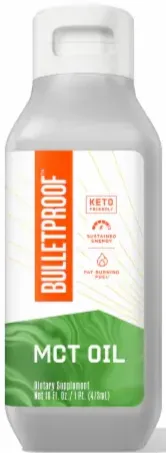
- Take some MCT Oil — it forces your body to produce ketones. And it tastes good!
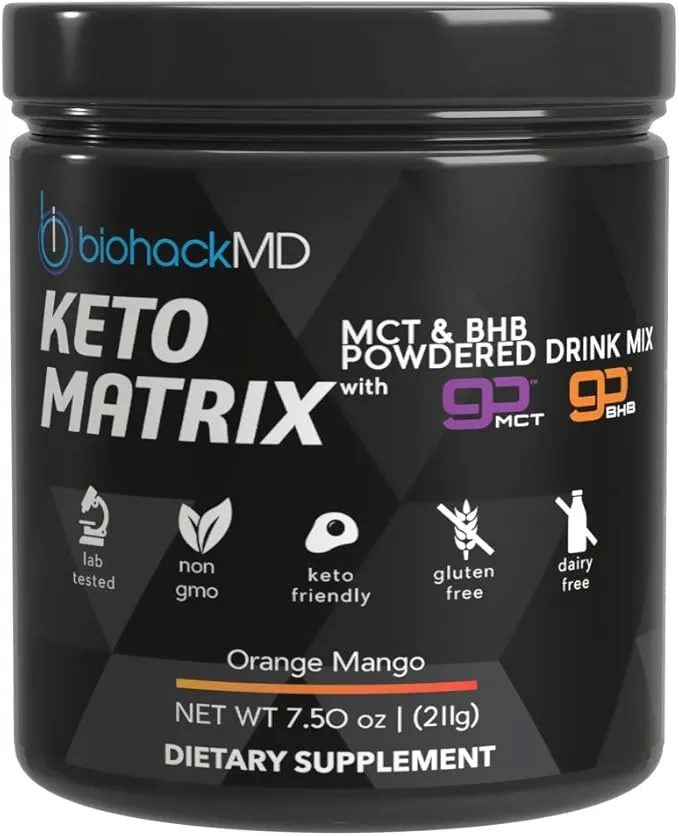
- Take some exogenous ketones that bicyclists use, but be careful with the dosage;
- Eat more fat;
- Don’t wait for the keto flu to fully onset, try to anticipate it through early symptoms at least 30 mins ahead of time;
Maintaining ketosis
Maintaining ketosis is easy for some people but hard for others, and that’s why you read contradicting statements on how to do it. Some people can eat as many as 50g/day of carbs a day without losing ketosis while other need to be below 20g/day. One thing is certain, ketosis is binary, you want to be fully committed once you are in, because if you flip in and out of ketosis you will be inducing a never-ending keto flu, which sucks. Here is how to maintain ketosis:
- Try to stay below 20g of carbs a day, at least until you learn your carb threshold;
- Don’t overeat protein. When your body has excess protein it actually synthesizes glucose from excess amino acids via gluconeogenesis, which is as bad as eating sugar. Many guides encourage you to eat steak and other lean meat on keto, but it can actually be a strong trigger for getting you out of ketosis. So avoid lean protein! If you need to eat something besides fat consider low-calorie keto recipes with almond flour;
- Drink a lot of water;
- Measure your ketones and blood sugar religiously! If you have more than 0.5 mmol/L ketones that means your ketosis has started.
More on measuring ketones and blood sugar. I highly recommend the following guide: https://optimisingnutrition.com/blood-glucose-level-for-ketosis/
You have to use fingerprick scanners both for ketones and blood sugar. Ketone strips are highly imprecise and you need to know the exact numbers for the below formula. I used:
- KetoBM Blood Ketone Meter Kit + KetoBM Ketone Strips
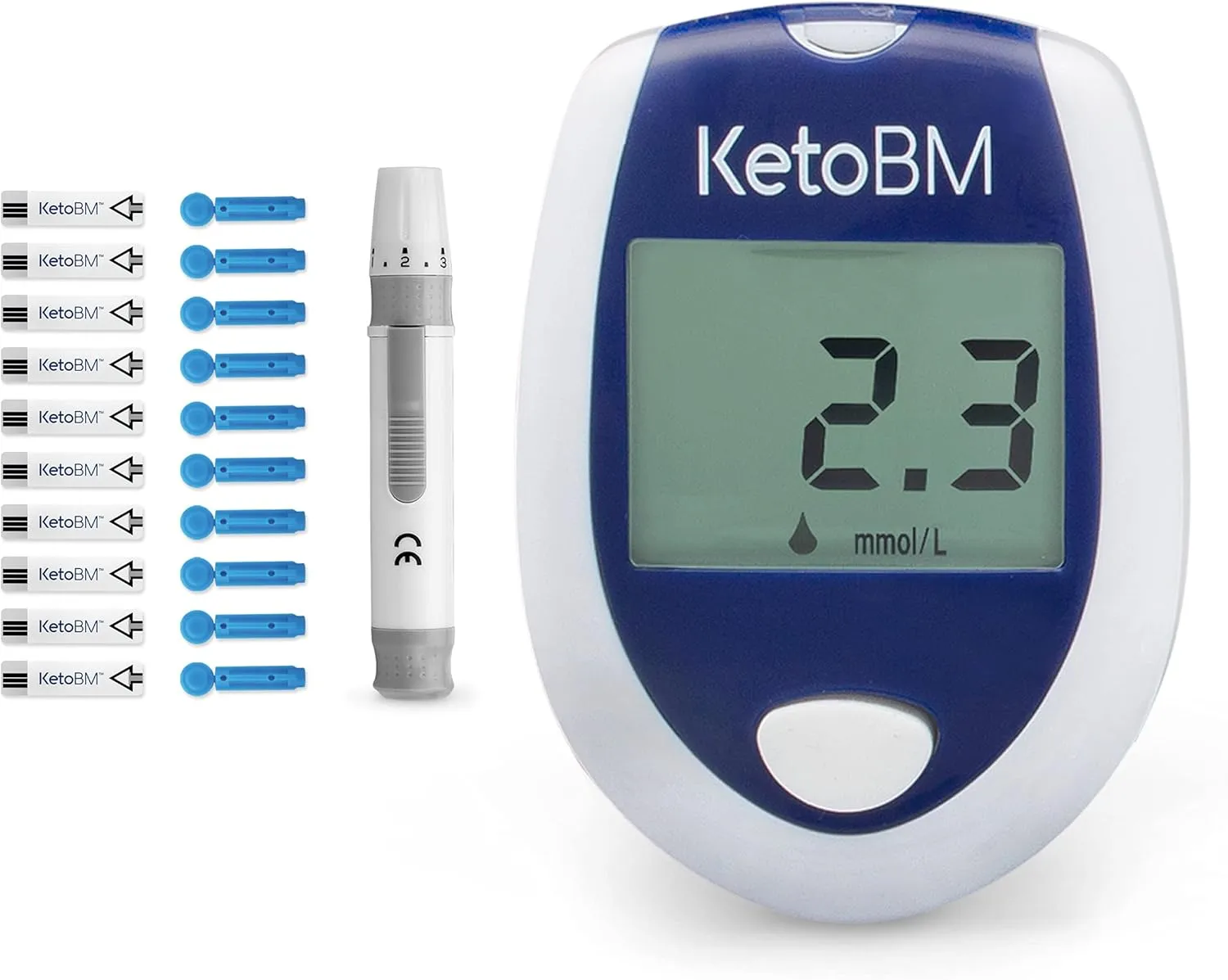
- CONTOUR NEXT EZ Blood Glucose Monitoring System + Contour Next Blood Glucose Test Strips
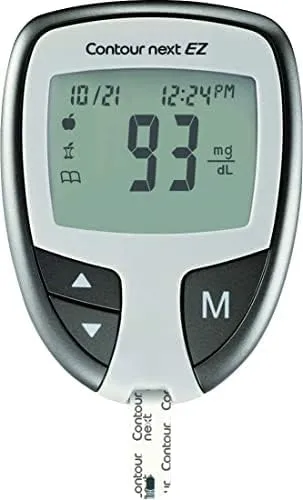
You need to convert both ketones and blood sugar to mmol/L and add up. For blood sugar: X mg/dL is X*0.056 mmol/L. Then you look at the graph below and you try to stay in the comfort zone and as far away from the right side (ketoacidosis) as possible. Diabetic ketoacidosis happens when both your ketones and sugar are high. I find conflicting resources on what these numbers actually are. Some say “Ketoacidosis is glucose levels are above 15 mmol/L or 270 mg/dL and ketones are above 0.5 mmol/L”, others “high blood sugar and > 5-8 mmol/L of ketones”, I try to just stick to the left side of the graph and have < 3mmol/L of ketones.
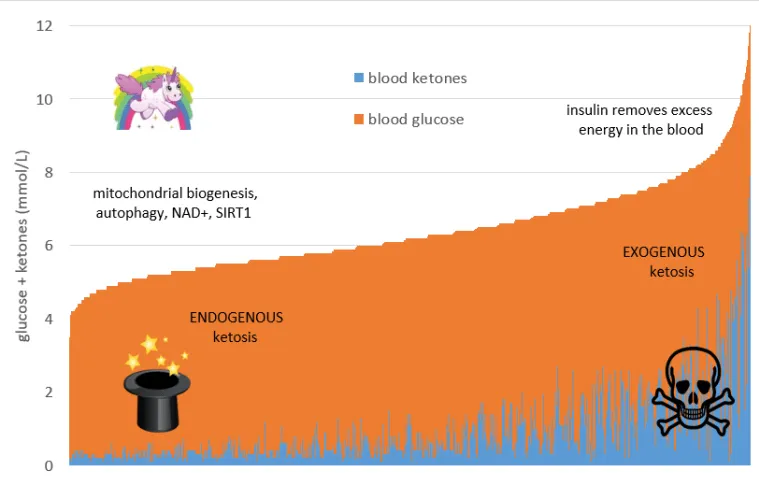
You might also notice from the graph that ketone numbers are highly volatile. That’s why I sometimes had to measure several times a day to be sure.
Maintaining bowel movement
Unfortunately, keto diet is not good for your gut. You are not able to eat lots of veggies because they are carby, and even low-carb veggies can be eaten in very limited amounts. Plus the food itself is not large in volume and so you have very small amounts of dense food moving through your gut. The duration of how long I could maintain keto diet was directly limited by my gut health. Here is how you can help your gut:
- Use your 20g of carbs a day allocation on high fiber veggies: avocado, spinach, kale, arugula, cauliflower, broccoli, cabbage;
- Bake with high-fiber flour substitutes: almond flour, psyllium husk (Be careful to not eat it dry! This can be very dangerous), ground flax seeds, chia seeds;
- Drink a lot of water;
- Learn keto cooking recipes to diversify your diet. I had four keto books and it seemed like most of the keto books are on the same level of quality, but I did prefer books by Maria Emmerich.
Act on the test results
If you tried keto diet and noticed that your sleep and wellbeing improved drastically then it tells you something about your health. In my case it was the following:
- You might have elevated inflammation that goes away on keto because keto is very anti-inflammatory. If you noticed that your brain fog also goes away then it corroborates it. Consider investigating if and why you have high inflammation levels outside keto. Consider testing typical inflammation markers: hsCRP, homocysteine, IL6, TNF-alpha; consider doing food sensitivity tests, maybe you have intolerances you don’t know of; consider testing histamine levels in your stool;
- Your brain might be lacking certain types of fats that your keto diet provided. Experiment with supplementing with diverse fat sources (fish, nuts, seeds, coconut butter, etc) outside keto diet;
- In general, try switching to a Mediterranean-style diet, away from Deli/Diner foods;
- Consider if you have sugar issues, e.g. it interferes too much with your sleep or wellbeing.
If you feel good on keto diet there is a really good chance you will be able to replicate this feeling outside the keto diet.
🥈 Mouth Tape
Regardless of what kind of sleep-disordered breathing you might have if you have anything that sounds like snoring you might benefit from a mouth tape, and your partner might appreciate it too.
There are different kinds of mouth tapes:
- Vertical vs horizontal
- With a hole/slit in the middle and without
- Covering entire mouth or just part of it
Regardless, what they do is they force you to not breathe through your mouth. Breathing through your mouth is not good for your breathing but also not good for your mouth health. Experiment with the different kinds of mouth tape and see if any of them work for you.
🥈 Dopamine and Cortisol Management
Usually when you hear about cortisol in the context of sleep improvement it is about reducing your cortisol levels. Honestly, I never understood why doctors still prescribed this test. Cortisol levels are extremely volatile and dependent on the time of the day, so it is kind of hard to act on when your doctor prescribes this test for you.
I however became extremely aware of cortisol when my sleep already became sufficiently good, but in the context of increasing it. Increasing cortisol just in the right time of day can significantly improve your sleep as well as wakefulness. Without proper exertion you cannot have good relaxation, so in addition to making your sleep more sleepy you need to make awakeness in the key moments of your day. The easiest way is to give yourself a healthy and pleasant jolt of wakefulness right after you wake up: take warm shower, have coffee with breakfast, expose yourself to sunlight or even better walk somewhere, e.g. during your commute. If you take vitamins especially B complex, consider taking them in the morning because they give a boost of energy too.
🥈 Window of Tolerance
Window of tolerance is a framework on balancing relaxation with wakefulness. The idea is that there are three zones of arousal and you want to be in the middle one without bouncing into hyperarousal or hypoarousal. But when you experience stress this is exactly what happens:
- You are pushed into hyperarousal, where you stay until you get exhausted;
- Once you are exhausted you plummet straight into hypoarousal, until you get bored;
- Once you are bored you overcommit to stimulation and jump all they way into hyperarousal. And the cycle repeats.
And thus you live your entire life, bouncing between hyperarousal and hypoarousal. On top of that past significant or prolonged traumas shrink your window of tolerance making it even harder to stay in it. Sometimes, the job of the therapist is to quite literally expand your window of tolerance back to its normal size. Also, with the time you get used to being hyperaroused or hypoaroused and so you seek stress that outmatches your capabilities and you learn only one way of relaxing which is to withdraw into your “hypoarousal cave”.
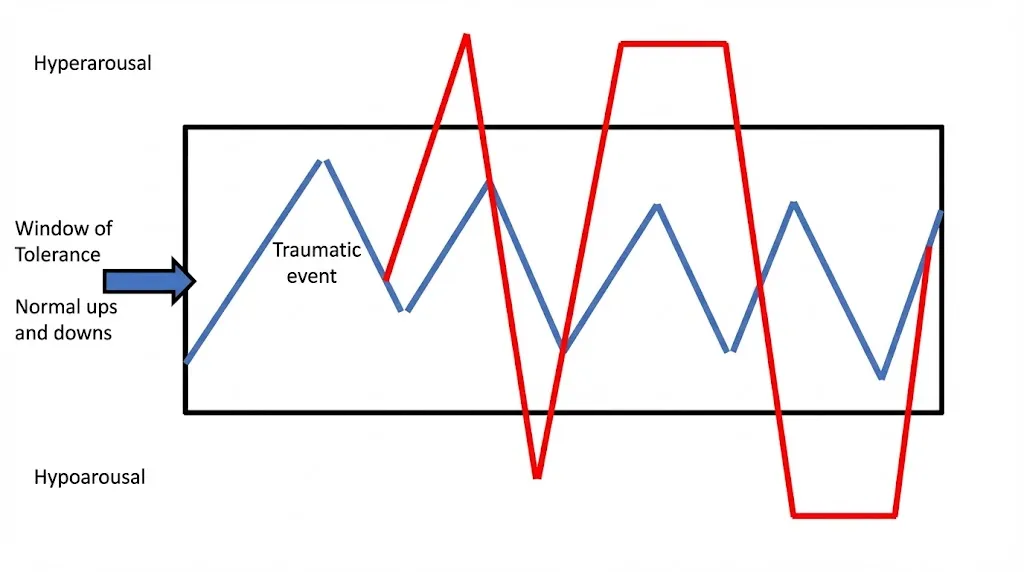
Adapted from "Understanding and Working with the Window of Tolerance" (2013) by Lori Gill.
🤯 Hyperarousal Zone
Sympathetic
Fight or Flight Response
Too much arousal
Stuck on “On”
Signs You Are Here:
- Tension, shaking
- Emotional reactivity
- Exaggerated startle response
- Defensiveness
- Anxiety
- Racing thoughts
- Sleeplessness
- Intrusive imagery
- Emotional overwhelm/flooding
- Feeling unsafe
- Inability to relax
- Obsessive/cyclical thoughts
- Hyper-vigilance
- Impulsivity
- Anger/Rage/Hostility
- Digestive problems
- Chronic pain
🫠 Hypoarousal Zone
Parasympathetic
Immobilization Response
Too little arousal
Stuck on “Off”
Signs You Are Here:
- Relative absence of sensation
- No energy
- Reduced physical movement
- “Not there”
- Can’t defend oneself
- Disabled cognitive processing/“can’t think”
- Numbing of emotions, emotional deadness
- Disconnected
- Disorientation
- Dissociation
- No feelings
- Ashamed
- Flat affect (anhedonia)
- Feeling ‘dead’
- Exhaustion
- Shut down
- Passive
- Leathery
- Can’t say no
- Chronic fatigue
- Low blood pressure
💆 Optimal Arousal Zone — Ventral Vagal “Window of Tolerance”
Signs You Are Here:
- Feel and think simultaneously
- Experience empathy
- Feelings are tolerable
- Present moment awareness – “Right here, right now”
- Feel open and curious (versus judgmental and defensive)
- Awareness of boundaries (yours & others)
- Reactions adapt to fit the situation
- Feel safe
There are two main ways of managing window of tolerance (while you are waiting on your therapist to help expand it, which can take years):
- Countering hyperarousal or hypoarousal.
- Once you learn how to recognize your hyperarousal or hypoarousal, sometimes even before they happen, you can do the following to directly counter them:
- To get out of hyperarousal:
- Movement — bilateral movement is super calming, e.g. walking, running, etc. Anything that involves swinging both legs and arms. That’s why you naturally want to pace around when stressed;
- Breathing — inhale 4s, exhale 6s; Box breathing; Valsalva maneuver, see below;
- Sensory input — listen to rhythmic, predictable, calming music or white noise; Have you favorite tea; Try soothing incense or essential oils diffuser;
- Naming — emotions, things you’ve done today. Write them down to offload them from your brain;
- To get out of hypoarousal:
- Movement — walking, stretches, any light physical activity;
- Breathing — try Wim Hof breathing, see below;
- Sensory input — listen to upbeat energetic music; Taste fresh, sour, cold things; Stimulating essential oils diffuser — citruses, rosemary, etc;
- Naming — Name 5 things you see, 4 things you feel, 3 things you hear, 2 things you smell, and 1 thing you taste. (5-4-3-2-1 technique)
- To get out of hyperarousal:
- Once you learn how to recognize your hyperarousal or hypoarousal, sometimes even before they happen, you can do the following to directly counter them:
- Staying in the window of tolerance.
- It is all about binding the inside and the outside world, without letting one of them to take over. Think of it as “mindful stimulation”. Most of what you can call “grounding techniques” fall into this category.
🥈 Restless leg syndrome
Restless leg syndrome is when your brain doesn’t completely inhibit your body movement during your sleep, which frequently causes your legs to move. It can be very abrupt, strong, and even scary to your partners. It might be even able to wake you up or prevent from sleeping. It is an entire topic on its own and there are devices that limit your motion as well as options you can discuss with your doctor. It can also be an indicator of the neurological issues.
🥉Tier 3
Works in some cases.
🥉 Sauna
It is quite established that sauna makes you sleepy-tired which makes it easier to fall and stay asleep naturally. Think of it as an alternative to fitness tiredness. In addition it does not burn too many calories, so you don’t need to adjust your diet or fitness routine, and it is extremely healthy for cardiovascular disease prevention and old-age neurodegenerative diseases prevention. The former is achieved to it mimicking aerobic exercise and the latter is achieved through the activation of heat-shock proteins that clear up the garbage in your brain, which is especially important if you already don’t sleep enough.
The only major drawback of sauna is that you need to figure it out logistically, because it takes quite some time getting there, going through the sessions, cooling down, etc. Typical two 15 min session visit will easily consume 1h30m out of your time in the day. The only types of sauna protocol that were thoroughly studied is the Finnish one. It goes like that:
- Shower, 15 min hot sauna
- Either cold shower or shower+cold dip
- Some relaxation time, then repeat
Infrared saunas allegedly are just as healthy, but instead of 15 mins per session they take up to 40 mins to reach the desired effect.
You are also highly advised to wear wet sauna hats or wet towels around your head to prevent overheating head before your body reaches the desired temperature.
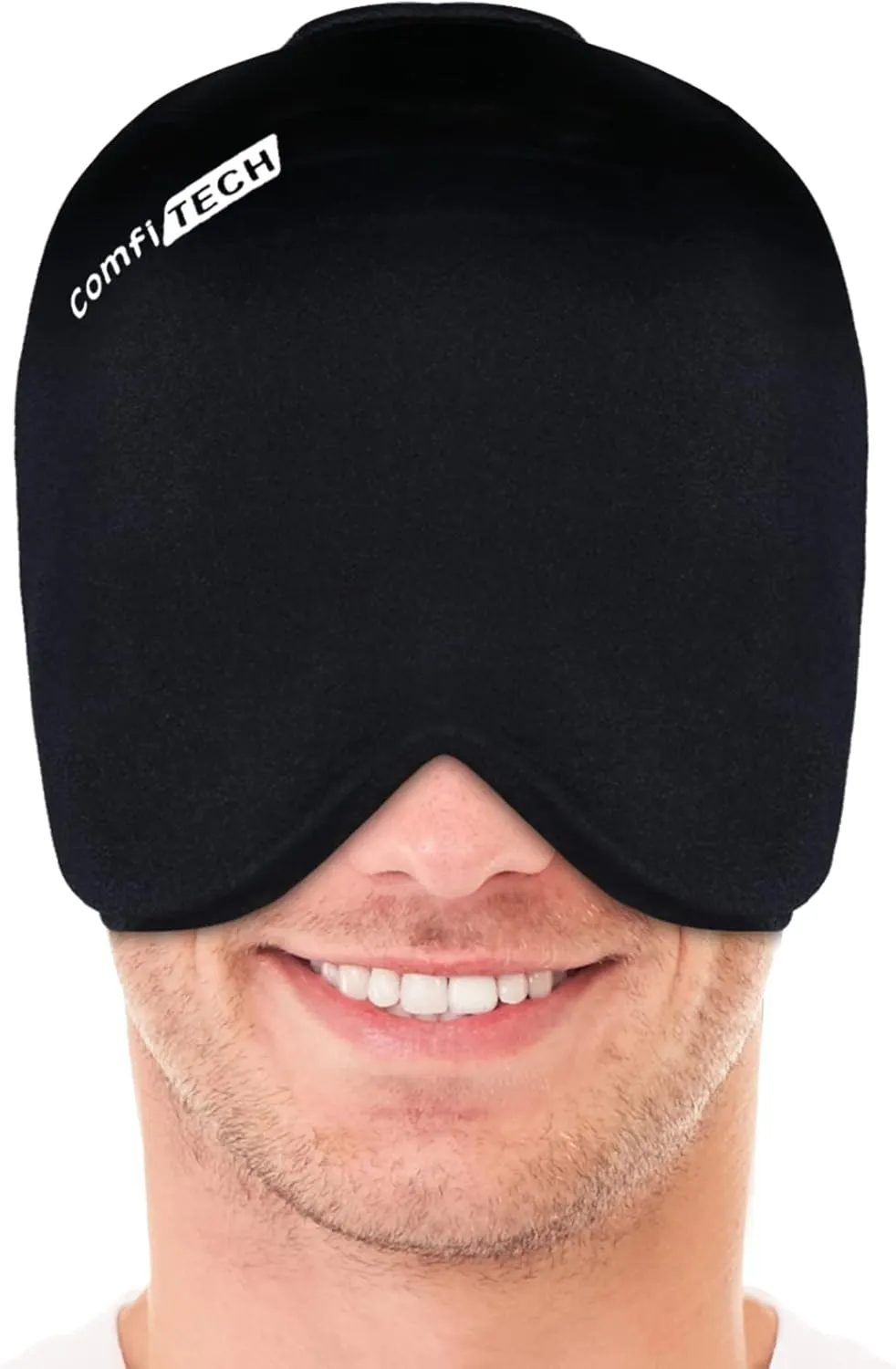
🥉Forehead Cooling Devices
Cooling forehead can be used not only to help with migraines or certain medical conditions but also to induce sleep. There are some bulky medical-grade devices, but the easiest, comfiest and cheapest are the gel migraine hats. You put them in the fridge and when needed take out and sleep in. Additionally they have nice heavy smooth feeling and double as a sleep mask. Most of the time I don’t even cool it down because gel has such high heat conductivity that it cools your head down regardless.
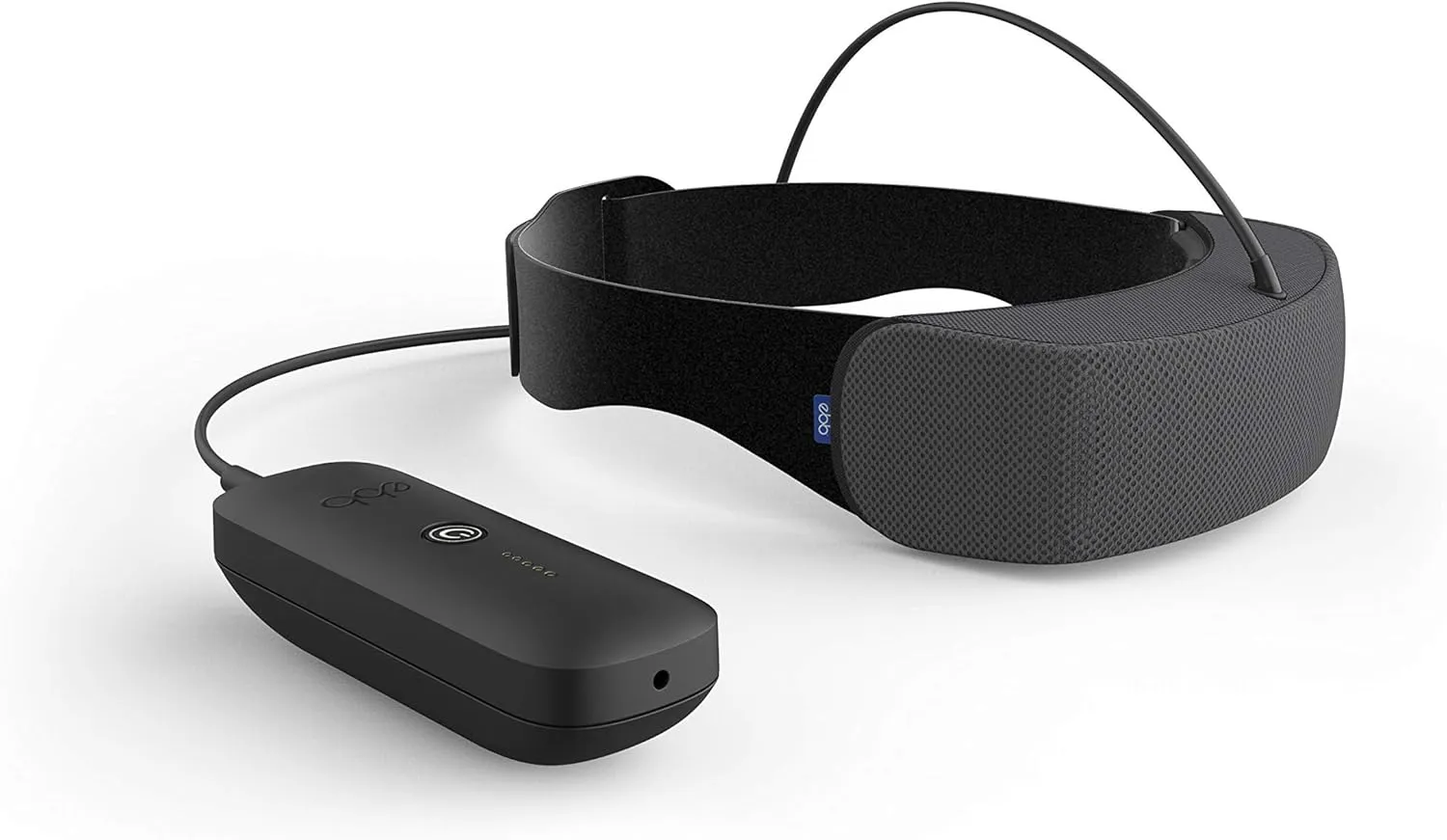
There used to be a more high-tech option called “Ebb CoolDrift Versa Sleep System” which was basically an active freezer sitting on your forehead. Unfortunately it has been discontinued, but can maybe found on eBay.
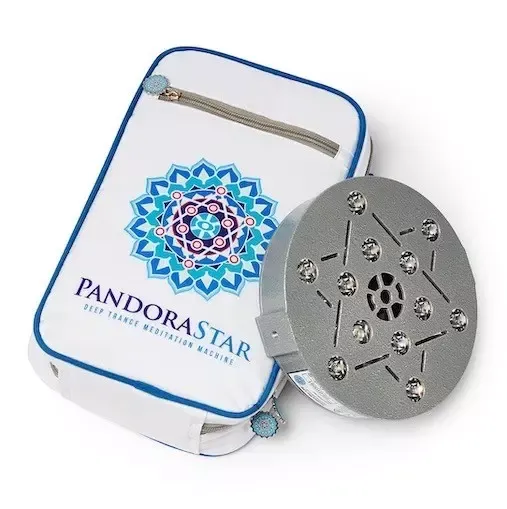
🥉Meditation Light
There are certain kinds of light therapy used by meditation practitioners and people with PTSD to help induce meditative state. There is no dedicated research to support anecdotal claims of people with PTSD, it is somewhat remotely adjacent to EMDR therapy and speculated to be medically similar to TMS. There are lots of brands if you search for “hypnagogic light / AVE device” and many of them give off major woo-woo vibes, but I tried and purchased https://pandorastar.co.uk/ and it works quite well to help me with relaxation and to force the meditative state. Be very careful though because it is not a medical device and stroboscopic light can potentially hurt you. There are sometimes meditation groups and providers in big cities where you can try this or other brands you might even find them on AirBnB Experiences.
🥉Breathing Exercises
In other sections I have already mentioned box breathing. There are two other exercises that made impact on my HRV (Heart-Rate Variability) and correspondingly stress levels during the day and right before falling asleep.
Wim Hof has great beginner tutorial that never fails to reset my emotional state and even clear my mind, check it out: https://www.youtube.com/watch?v=tybOi4hjZFQ
A quicker, less involved method is a so-called Valsalva Maneuver, practiced by first responders and ER to help patients with the runaway heart rate. It takes less than a few minutes and can be performed even at your workplace: https://www.youtube.com/shorts/32ZFgc0zzFQ . See Modified Valsalva Maneuver performed in ER: https://www.youtube.com/shorts/bOlz_hsTGBo
🥉Antistress Supplements
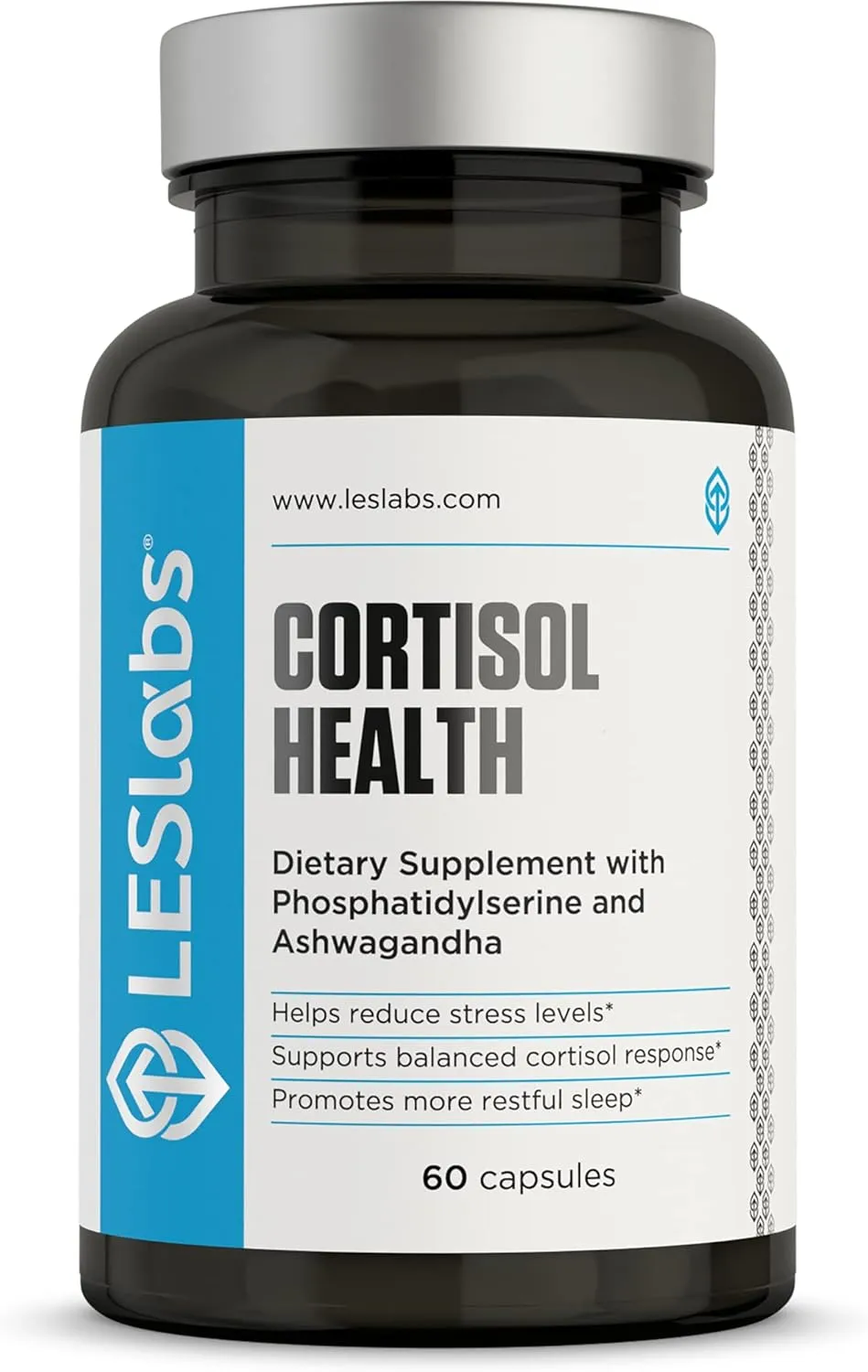
There are all kinds of supplements to help reduce daytime stress and therefore to promote relaxation during sleep. Unfortunately, as with many herb-based supplements they are highly non-specific, meaning herbs have a bunch of stuff that can target other things in your body. For example, if I drink too much mint tea it will give me a headache, and if I drink too much chamomile tea it gives me a dry throat. It is still worth experimenting with. The one that worked the best for me is LES Labs Cortisol Health. Be super careful with supplements that directly interact with your serotonin levels or other neuromediators, you can seriously and irreversibly damage your brain with things like St. John’s-wort.
🥉Matcha and L-Theanine
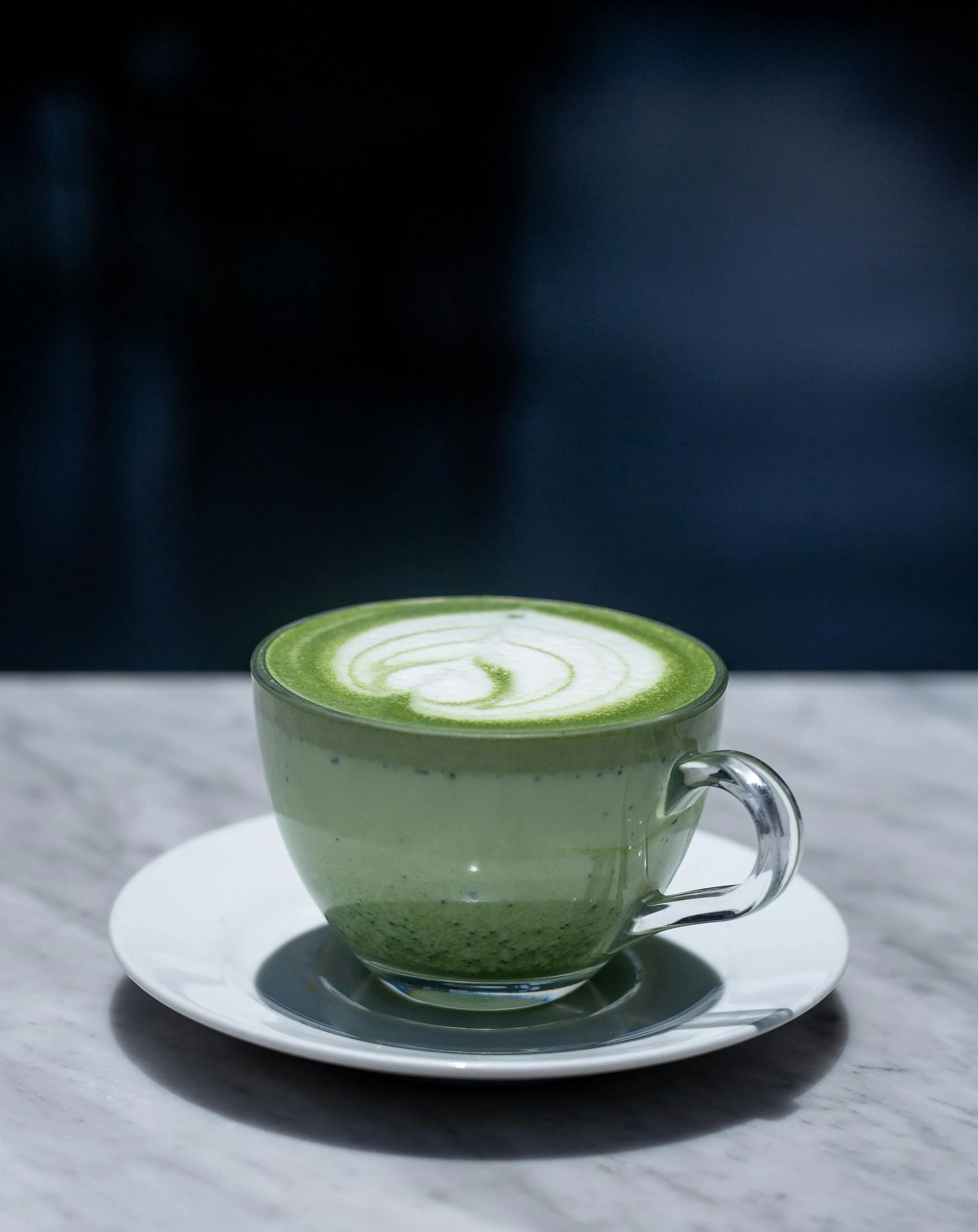
Matcha is a really great substitute for coffee. It gives similar amount of caffeine but delivers in a much gentler form without the jitters and running into the bathroom. This is partially because L-Theanine in matcha works synergistically with coffee and because matcha is much less acidic than coffee. It also stretches out caffeine delivery over a longer period of time so you avoid the typical coffee-induced crash that happens because your body overproduced adenosine receptors. I personally prefer matcha latte because the milk fat extends the absorption even longer.
It is really cheap and easy to make matcha yourself at home, just remember a couple of things:
- Old oxidized matcha looks brownish, so try buying the vibrant green one. It tastes better;
- Too much matcha every day can cause iron deficiency and subsequently anemia, especially if you are a woman;
- You make matcha by mixing small amount of powder with small amount of hot water. Whisk it to get rid of the clumps and only then add the rest of the hot water or milk.
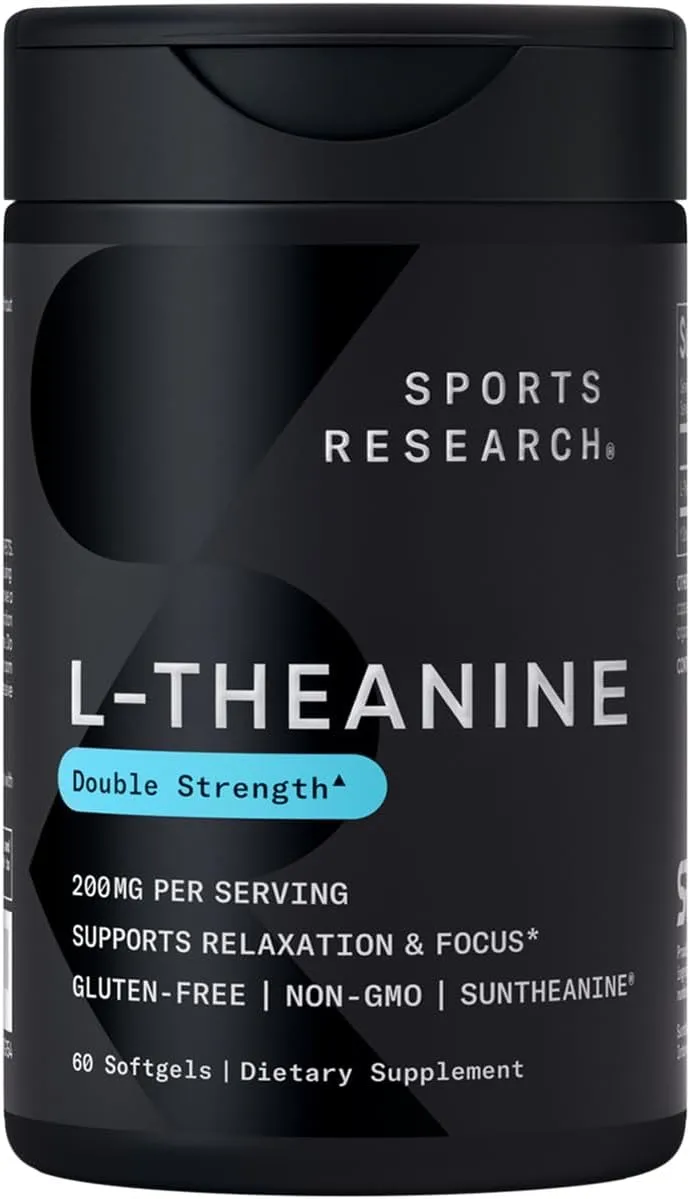
Alternatively, you can just take L-Theanine supplement with your coffee.
🥉 Sleeping Backpack
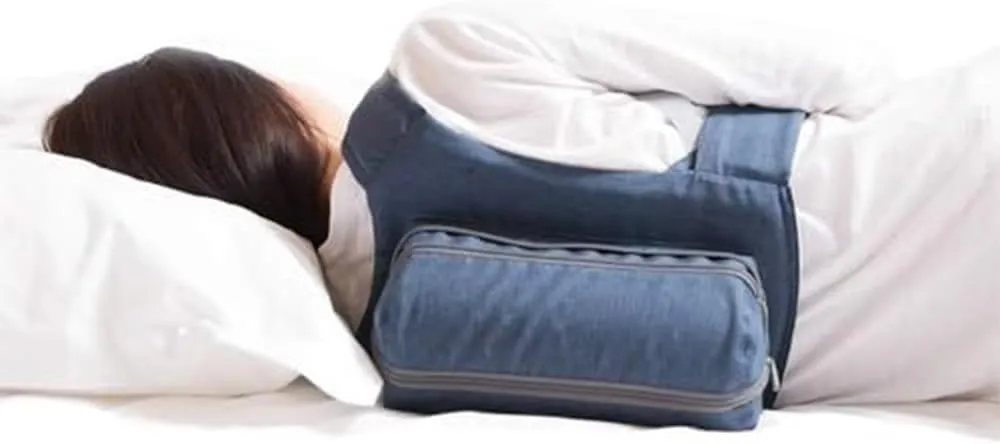
When it comes to snoring and generally sleep-disordered breathing it is quite common for the problem to be much worse when you sleep on your back. This is because floppy tissues like your tongue roll back and make the breathing hole smaller. A good sleep study might even tell you how much your back sleeping is worse than side sleeping. Additionally, there might be a noticeable difference in sleep quality depending on whether you sleep on the left or the right side.
There are ways to force your body to not sleep on its back. One that I tried is an inflatable sleeping backpack. It is not bulky and is actually wasn’t disruptive to sleep with. Alternatively people attach tennis balls to the back of their shirts.
🥉 Weighted Blanket
A lot of people swear by weighted blankets. I tried many of them, unfortunately they were too distracting. You also need to guess correctly the size, the weight, and the material. And they do tend fall on the floor, but once you get the right kind you might want to use it forever.
🥉 Custom Pillows
Market is full of custom pillows optimized for various poses, back sleeping, side sleeping etc. Unfortunately, they have to be made out of foam to maintain their custom shapes. In some cases they still ventilate well and remain cool. Unfortunately, the problem with many custom-shaped pillows is that the bodies have huge variability to them in terms of size and especially proportions. For some of the pillows I could tell that they were made for slightly different proportions. But maybe you will be luckier than me if you order one!
🥉 Glycine and Kiwi
Certain supplements and fruits have properties that help with the sleep onset. Glycine is an amino acid found in abundance in cartilage and molecules like collagen. It looks and tastes very similarly to sugar. And in some countries it even used to be given to kids in the kindergartens to help them take a nap. It does so by lowering your core body temperature. Unfortunately, in some people it can cause accumulation of glutamate which is bad for the brain and manifests as irritability. I had to stop taking it for that reason.
Kiwis, especially green kiwis, are unique fruits that have Actinidin enzyme as well as melatonin and serotonin which help with relaxation and falling asleep. I am actually forced to eat kiwis later in the day because if I do it too early and eat four or more kiwis then I am too sluggish.
🥉Nerve Stimulation Devices
There are various gadgets on the market that claim to stimulate your nervous system just in the right kind of way to reduce your stress levels. I tried Apollo Neuro for quite a long time and I wasn’t able to see much difference myself. But other people swear by it.
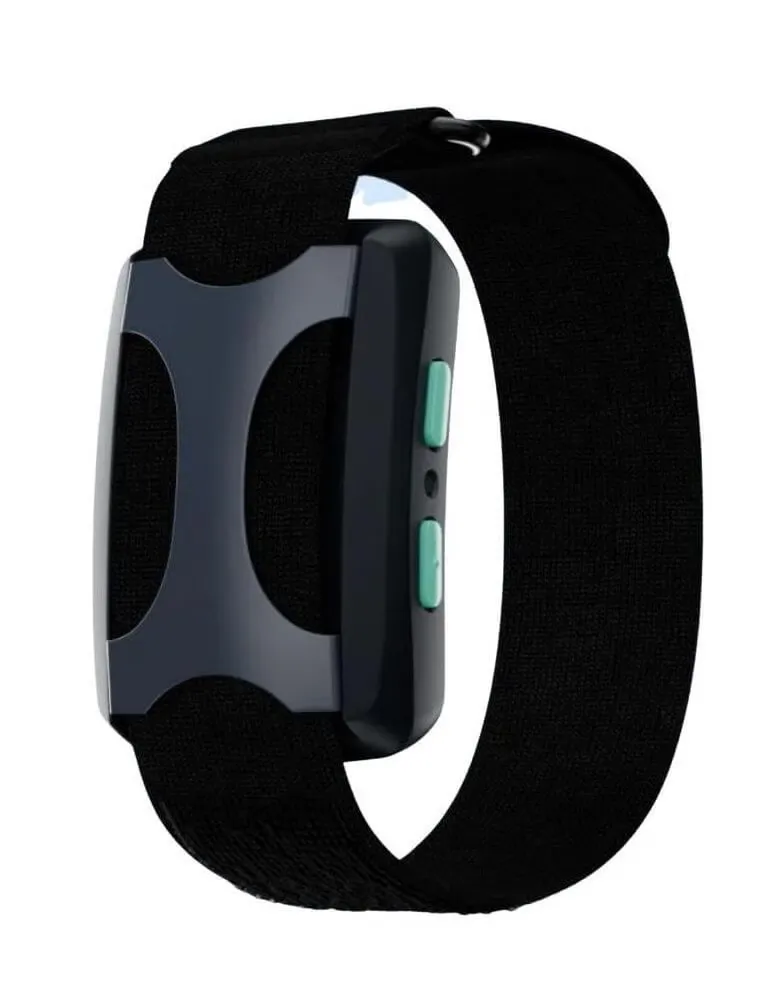
There is also Nurosym used by Bryan Johnson but I haven’t tested it myself.
🔬 Measuring Your Sleep
I highly recommend you measure your sleep to track your progress. Also some devices measure your “Readiness” alongside sleep quality. This is very important since frequently you can wake up refreshed after bad sleep or vice versa, and it is important to separate the two. http://ouraring.com/ seems to be the current state of the art device. You might be even able to find old generations of this ring on eBay. It give you a score from 0 to 100, where 100 is a perfect sleep. And it is much more strict than other devices. Where AppleWatch will give you 100, Oura would frequently give you less than 90. Over the years as I was improving my sleep I was able to progress from the sleep score of 50-65 to 85-95.
When it comes to other wearable devices, there does seem to be a technological trade-off between device being able to correctly measure the duration of the sleep vs correctly recognizing the sleep phases. With the time new generations of Oura became good at both, but AppleWatch frequently counts lying in bed as sleeping. I recommend this video for a thorough comparison of wearables: https://www.youtube.com/watch?v=PvqRLG0K4SQ
🏃Keeping Your Sleep Fixed
Once Oura consistently shows your sleep score above 70, I would consider it relatively fixed, or at least out of the danger zone. Further improvement will come from your personal sleep hygiene and your highly personal tweaks. For me the following allowed to bring my sleep score into consistent 80-95:
- Cold room via air-conditioning (18-19C)
- No screen in the bedroom ~1-2h before sleep (only kindle and audiobooks)
- Shower/bath not close to sleep to not mess with body temperature. Not closer than 4 hours before sleep
- Headband to warmup sinuses.
- Consistent bed time and wake-up time
- Small doses of melatonin <1 mg 1h before sleep
Optional:
- Finish eating 5+h before sleep. Snacks are okay-ish
- Pillow system for proper sleep posture.
👌 Ideal Wake Up Routine
As discussed above waking yourself up in a correct way might be just as important as falling asleep. The following is how I achieve the perfect wake-up:
- I use vibration on my AppleWatch to wake me up in the same time, preferably before the sunrise. Not only this is more gentle than a regular wake-up, it also doesn’t wake up my partner. I use regular alarm clock app as a backup;
- I like to use my cooling mattress to actually warm me up 30 mins right before the wake up time which naturally prepares my body and frequently makes it feel like I wake up on my own;
- I use programmable lights to slowly turn on the light right before the vibration alarm goes off;
- I immediately drag myself into the warm shower to further wake up and do all the morning routines. I don’t use any cold water;
- I get matcha or in its absence coffee either in the kitchen or on my way to somewhere. Sometimes I just go for a 15 min walk to get matcha and wake myself with the sunlight;
- Immediately after or with matcha I get a heavy non-carby breakfast into my system.